
Small Garden Landscaping Ideas for Practical Outdoor Spaces
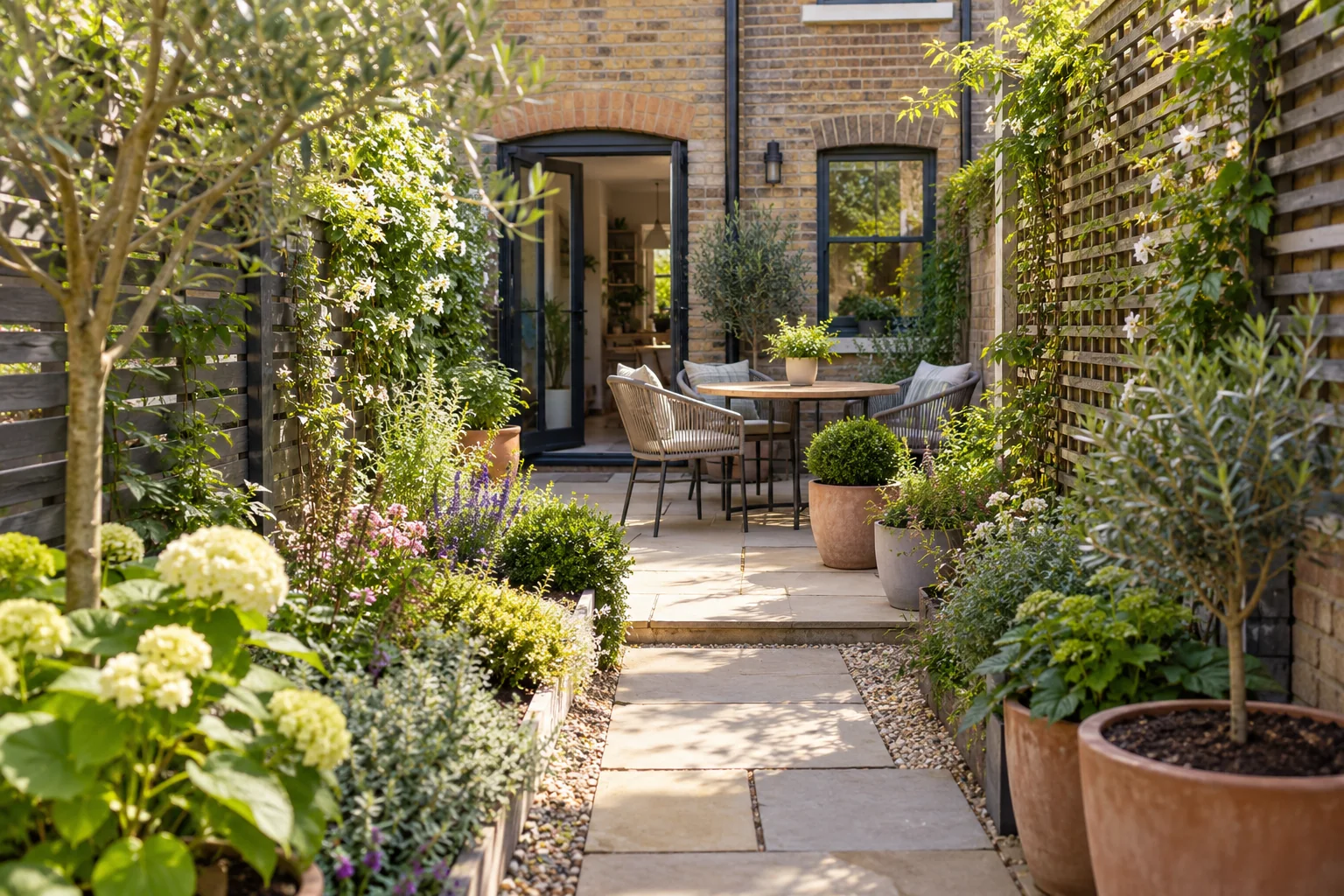
Key Takeaways
- Readers learn design techniques to turn small outdoor areas into versatile retreats, ensuring every bit of space has a purpose.
- This article emphasizes choosing plants and materials that thrive in limited environments, supporting easy upkeep while adding interest year-round.
Prioritizing Garden Functions and Needs
Understanding how a small garden will serve its inhabitants creates a foundation for effective design. Start by making a wish list that includes key functions: a cozy spot for two during relaxed lunches or an exciting space for twelve guests at casual barbecues under the stars. This planning ensures every square foot has a purpose, whether for relaxation, dining, play areas for kids, or growing vegetables.
Versatile features can help; consider furniture that provides storage or raised beds with seating options. With limited space, decide which vegetables and herbs are worth planting versus those easily found at local markets; select plants that offer great flavor and look good throughout all seasons.
By prioritizing these aspects first, gardeners create a solid base to develop creative layout ideas that boost functionality without losing appeal, a true demonstration of maximizing compact outdoor spaces.
Space-saving Garden Layouts
A small garden has potential, waiting for the right design to maximize its compact space. To create an open and practical area, creative thinking is essential. Use zoning to divide sections while maintaining flow; envision a cozy dining spot connecting to a vibrant herb corner or a comfortable lounge surrounded by colorful flowers.
Creating pathways guides visitors through these areas, narrow walkways lined with fragrant plants engage the senses at every step. Adding levels enhances visual appeal, like upper terraces meeting lower planting beds, adding depth often missing in flat spaces. For tight corners or oddly shaped yards, geometric designs with paving stones angled at 45 degrees can form eye-catching focal points while maximizing usable ground, making the space feel larger without actual expansion.
Thoughtful choices like built-in seating along retaining walls add comfort and functionality in limited areas; multifunctional features are vital for ensuring every inch counts in your urban retreat.
The Pros & Cons of Compact Garden Design
Pros
-
Make the most of limited space by focusing on how you plan to use it and adding elements that serve multiple purposes.
-
Improve the feeling of size with careful layout choices, including different levels, lighting options, and clearly defined zones.
-
Choose a variety of plants suited for specific site conditions to ensure year-round appeal with resilient shrubs and evergreens.
-
Use vertical space wisely by incorporating climbing plants and vertical gardens, which expands your growing area without taking up more ground.
-
Cut down on maintenance by selecting durable plant arrangements and low-maintenance features like mulch instead of lawns.
Cons
-
Limited space can limit the number of plants and features you include in your garden.
-
You need to plan carefully to make sure all the functions you want fit into a small area.
-
If you try to add too many elements, it might get crowded and look cluttered.
-
Maintenance can still be tough if not organized well, especially with high-maintenance plants or complicated layouts.
-
You might need professional design help to make the most of both functionality and looks in tricky spaces.
Choosing Plants for Limited Spaces
Selecting the right plants for limited spaces is crucial for transforming small gardens into lively retreats. Start by assessing your garden’s conditions, sunlight, soil type, and moisture levels, to choose suitable plants. Hardy plants like hellebores or sedges thrive in tough spots, providing year-round beauty with minimal care. If you enjoy cooking, consider adding frequently used herbs; they offer fresh flavors and greenery. When space is limited, container gardening helps: larger pots retain moisture better than smaller ones and serve as attractive features.
Privacy Solutions
In tight spaces where privacy is a concern, dense evergreen shrubs can create natural screens while enhancing visual appeal. Layering different textures with groundcover plants among perennials blends colors and shapes that bloom across seasons without excessive maintenance. Climbing plants against walls or fences provide vertical growth opportunities, self-clinging varieties like ivy or Virginia creeper easily form lush green backgrounds that enhance any compact area.
Creating Comfort
The key is to select plant combinations that serve practical purposes and add comfort and atmosphere to these cozy settings. By choosing selections based on preferences and site conditions, gardeners maximize their small outdoor areas, a peaceful sanctuary just outside one’s door!
Incorporating Vertical Gardening Techniques
Vertical gardening techniques offer options for small outdoor spaces, helping gardeners maximize planting opportunities while enhancing beauty. By using walls, fences, and railings, vertical surfaces can become vibrant displays. Vines or colorful flowers climbing upwards, self-clinging plants like Virginia creeper and climbing hydrangea create beautiful backgrounds with little effort. These plants thrive in tight areas where traditional gardens struggle, making them ideal for urban environments. In addition to aesthetics, vertical elements provide practical benefits; a green wall adds privacy and helps insulate against noise and heat.
Functional Solutions
Beyond decorative purposes, vertical gardens provide solutions when ground space is limited, consider modular planters that hang from balconies or trellises decorated with blooms. When choosing containers, consider weight and suitability: lightweight materials ease maintenance without sacrificing style. A well-thought-out layout featuring varying heights keeps things interesting throughout the seasons, the contrast between sunlit top shelves filled with herbs and shaded lower tiers overflowing with shade-loving perennials creates an engaging scene.
Encouraging Exploration
Thoughtful design invites exploration through layered plantings that draw attention upward; this promotes interaction within smaller spaces, a key factor in creating welcoming atmospheres at home! The right mix of greenery boosts both visual appeal and personal enjoyment in compact settings; therefore, embracing these innovative vertical strategies is essential to unlocking your garden’s full potential!
Maximize Space with Creative Garden Solutions
| Feature/Aspect | Example 1 | Example 2 | Example 3 | Example 4 |
|---|---|---|---|---|
| Space Dimensions | 40 feet by 20 feet | |||
| Intended Use | Outdoor room, relaxation | Dining area for eight | Entertaining for twelve or more | Child’s play area |
| Design Elements | Upper dining terrace, illuminated pathways | Clean lines, selected plants | Paver patios turned 45 degrees | Vertical garden on retaining wall |
| Planting Suggestions | Hardy shrubs, evergreen plants | Groundcover plants | Flowers and produce that are expensive | Self-clinging climbers like ivy |
| Maintenance Tips | Consider eliminating lawn | Use of mulching to prevent weeds | Permanent edging for easy lawn maintenance | Select low-maintenance planting schemes |
Designing Comfortable Outdoor Areas
Understanding how a small garden will be utilized forms the cornerstone of an effective design. Start by creating a wish list that outlines key functions: a cozy spot for two during relaxed lunches or a lively area for twelve guests to enjoy casual barbecues under twinkling lights. This planning ensures every square inch has its role, whether for relaxing, dining, child-friendly play zones, or growing vegetables. Choosing versatile furniture helps; consider options like benches with hidden storage or raised beds that serve as seating areas.
When space is tight, deciding which herbs and vegetables to grow at home versus those easily bought from local markets becomes essential; focus on plants that offer strong flavors and utility while looking good throughout different seasons.
Layout
A well-planned layout brings compact spaces to life and boosts functionality without losing beauty, a great way to maximize urban outdoor areas! Creative zoning divides sections yet encourages movement; picture an inviting dining nook transitioning into lush herb gardens or comfy lounge spots surrounded by colorful flowers. Pathways guide visitors through these sections and inspire exploration, narrow walkways lined with aromatic plants engage the senses at every turn. Adding levels creates dimension; designs where upper terraces connect with lower planting beds add depth often missing in flat layouts.
For tight corners or oddly shaped lots, geometric patterns using pavers create eye-catching focal points, all helping give an impression of spaciousness despite actual limits!
Features
Choosing suitable features enhances comfort in smaller settings! Outdoor rooms might include entertainment areas alongside peaceful retreats designed for quiet time in nature, even water features can blend seamlessly if planned carefully! Meanwhile, smart lighting highlights important plants and turns pathways into charming trails after dark, the atmosphere created adds another layer to enjoying these little gardens all year long.
Thoughtful choices ensure no part goes unused in your personal oasis, a balanced mix of function and style awaits right outside your door!
Low-maintenance Surfaces and Planting Choices
Choosing low-maintenance surfaces and plants can simplify care for small gardens and enhance their appearance. Start with ground materials, permeable paving, gravel, or composite decking can replace traditional lawns with less maintenance. These options reduce mowing time and create inviting spaces for relaxing or socializing without constant upkeep.
When selecting plants, choose hardy types like evergreens. They provide year-round greenery with minimal effort; they adapt well to various conditions and require little attention once established. Groundcovers like creeping thyme not only suppress weeds but also add a pleasant texture underfoot.
Container Gardening
Container gardening is another effective option for limited space; larger pots placed strategically allow for growing flowers and herbs without dedicated beds, these containers can also serve as attractive features. The key is to combine elements that balance utility with aesthetics: consider pairing low-growing perennials with bright annuals that offer color throughout different seasons while needing fewer resources.
By using these straightforward methods, gardeners can keep their compact outdoor areas both attractive and manageable, transforming them into delightful retreats right outside their doors!
Enchanting Myths and Facts of Tiny Gardens
-
Small gardens can create relaxation areas, provide space for children to play, or set up zones for dining and entertaining.
-
The design of a small garden can maximize limited space by incorporating features like retaining walls that double as seating or planned layouts that create distinct areas.
-
Choosing plants suited to specific conditions is crucial; for instance, lavenders thrive in sunny spots with dry soil, while container gardens may be necessary when good soil is scarce.
-
Vertical gardening techniques can enhance a small area by using walls and fences to support climbing plants, adding visual appeal and productivity.
-
Maintenance considerations are important in garden design; selecting hardy shrubs and groundcover minimizes upkeep while delivering year-round interest and beauty.
Alternatives to Traditional Lawns
Exploring alternatives to traditional lawns can improve small gardens’ appearance and function. Many homeowners struggle with maintaining a grass patch that requires constant care, especially in limited spaces where every square foot matters. Consider using wide borders filled with colorful perennial plants or creating paved areas with gravel paths, these options reduce maintenance while providing inviting spots for relaxation or socializing. Choosing permeable pavers helps rainwater drain away and offers a visually appealing alternative to regular grass.
Emphasizing plants that match their surroundings enhances these compact outdoor spaces; resilient groundcovers or ornamental grasses thrive with minimal attention, adding texture and interest throughout the year. Include features like raised beds with seasonal flowers or edible landscapes of herbs and vegetables that are both useful and satisfying. Layered planting schemes add depth to narrow backyards while encouraging biodiversity, a vibrant mix that invites exploration rather than just sitting around! Transforming an ordinary lawn into lively multi-functional areas revitalizes small gardens, making them reflect individual personalities in urban environments.
Enhancing Privacy and Year-round Interest
In small gardens, enhancing privacy and maintaining year-round interest can transform outdoor areas into retreats. Dense evergreen shrubs serve as natural barriers, providing seclusion and visual appeal throughout the year. Layering textures, like ground covers with colorful perennials, creates a lively landscape that changes with the seasons, remaining attractive with minimal upkeep. For vertical options, climbing plants like ivy or self-clinging hydrangeas can turn bare walls into vibrant green backdrops that add beauty and shade.
Adding Features for Intimacy
Adding features like decorative fencing or trellises enhances intimacy in compact spaces. These elements can be adorned with seasonal flowers to maintain cheerfulness while supporting growing vines. By selecting plants based on their growth patterns and seasonal displays, an area can be cultivated where every corner feels connected to nature, a peaceful retreat designed for relaxation amid urban life’s busyness. Careful design choices create cozy spots perfect for unwinding after busy days, making it possible to craft an oasis right outside your door.
Transforming Small Spaces Into Retreats
Transforming small outdoor spaces into personal retreats starts with a clear idea of how to use these areas. Focus on key functions: envision a cozy corner for coffee chats or a gathering spot for meals under twinkling lights. This approach ensures every inch has a purpose, creating areas for relaxation, dining, or play for kids.
Using versatile furniture, like benches with hidden storage or raised beds that serve as seating, helps maximize limited space. Gardeners should consider which herbs and vegetables to grow at home versus those available in local markets, focusing on high-value plants that thrive in tight spaces while providing seasonal visual interest.
By laying this groundwork first, each design element can blend function with beauty, turning compact gardens into cherished sanctuaries right outside your door!
FAQ
What are the key uses to consider when designing a small garden?
When designing a small garden, prioritize its uses to ensure every inch is functional and enjoyable.
How can layout and design elements create the illusion of a larger space in compact gardens?
In small gardens, thoughtful layout and design can create the illusion of more space through clear zones, strategic lighting, and well-chosen plants.
What types of plants are best suited for small gardens with limited growing space?
For small gardens, consider hardy shrubs, evergreens, groundcover, and dwarf flowering plants for year-round interest and low maintenance.
How can homeowners reduce maintenance while still achieving an attractive garden design?
Homeowners can simplify gardening and maintain aesthetics by selecting low-maintenance plants like hardy shrubs, using mulch to control weeds and retain soil moisture.