
How to Design a Low-Maintenance Garden in West Yorkshire
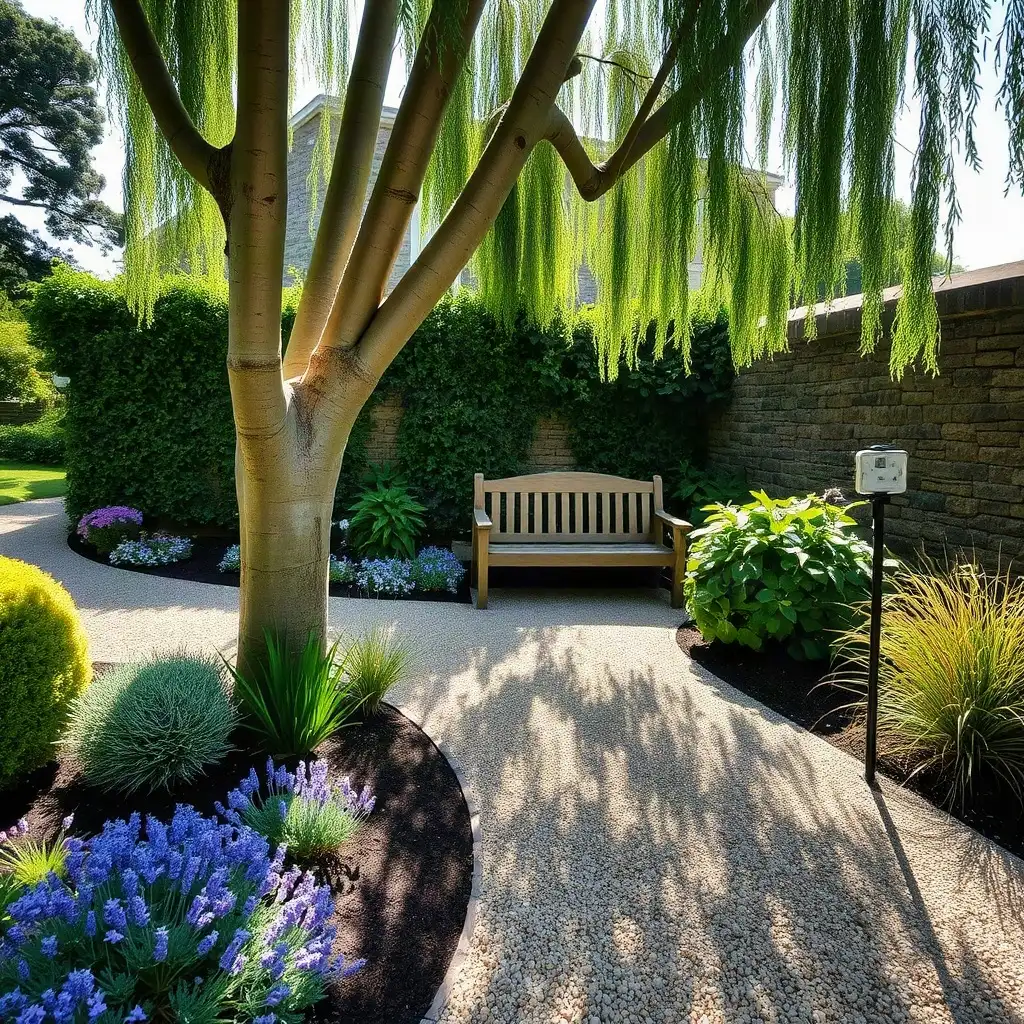
Creating a low-maintenance garden in West Yorkshire is achievable for homeowners. By choosing native plants suited to the local climate, like hardy perennials and ground covers, you can create vibrant spaces that require less care. Understanding your garden’s conditions, checking sunlight patterns and soil quality, allows for smart plant choices. Adding hardscapes like gravel paths reduces lawn areas needing mowing while providing structure. With careful planning and practical strategies, anyone can develop a beautiful outdoor space that aligns with nature and fits into their busy lives.
Assessing Your Garden's Current State
Start by examining the current state of your garden. Observe the layout, existing plants, and features that may obstruct your vision for a low-maintenance area. Note how sunlight travels across your space; identify spots with full sun versus those in shade. This will help you select plants that thrive in their specific locations, minimizing future maintenance.
Check the soil quality, touch it! Is it sandy or heavy with clay? The texture affects water retention and nutrient availability. Also consider moisture levels; does water collect after rain or dry up quickly? Recognizing these aspects helps you choose appropriate planting options from the start.
Take a close look at what’s already growing: are some plants thriving while others aren’t? Hardy species may provide hints for future choices. Make a list of tasks that consume most of your time, whether it’s regular pruning, watering, or dealing with weeds, and keep them in mind as you plan changes.
Creating easy-to-manage shapes is important too; think about flower beds with clear edges that require minimal effort to maintain. Remember: every area has its own upkeep needs, from lawns needing mowing to borders requiring weeding, so consider what fits best into your lifestyle moving forward. By carefully evaluating these factors now, you’ll set yourself up for designing an efficient garden just right for you.
Defining Your Garden's Purpose
Understanding the purpose of your garden is crucial for its design. Are you aiming for a peaceful escape, a play area for kids, or a space to entertain friends and family? Knowing your goals helps narrow down choices about layout, plants, and features that fit your lifestyle. Picture enjoying tea on a sunny patio surrounded by flowers, this vision can influence your decisions.
Consider how you’ll use your outdoor space throughout the seasons. If attracting wildlife interests you, add flowering plants and shrubs that provide nectar or shelter. If low maintenance is essential due to a busy schedule, create areas with practical appeal, consider seating framed by simple ornamental grasses instead of high-maintenance flower beds. By aligning purposes with practical design ideas, you can achieve beauty while ensuring enjoyment without excessive effort.
The Pros & Cons of Low-Maintenance Garden Design
Pros
-
Cuts down on how often and how much you need to work in the garden.
-
Creates a more functional and appealing outdoor area through smart design.
-
Promotes choosing plants that match specific site conditions, which boosts plant health.
-
Makes it easier to access and care for your space with manageable layouts and defined boundaries.
Cons
-
You need to put in some initial planning and design work before you can enjoy the low-maintenance benefits.
-
Your planting options might be limited because they need to match local conditions.
-
You'll still have some maintenance tasks that will pop up regularly; it doesn't get rid of all upkeep.
-
Expect potentially higher upfront costs if you're choosing durable surfaces or plants that fit well.
Selecting Suitable Plants for West Yorkshire
Choosing the right plants for your low-maintenance garden in West Yorkshire is key to creating a thriving space with minimal effort. Start by embracing native species; they adapt well to local conditions and require less care. Hardy perennials provide bright blooms year after year without needing replanting each season. Arrange your plants by grouping similar types based on their light and water needs to simplify care.
Consider adding evergreens alongside flowering varieties; they offer structure during winter and fill empty spots in off-seasons. Options like sedums or ornamental grasses enhance visual appeal and thrive with minimal attention beyond occasional trimming.
When determining what works best in different areas of your garden, consider your soil type and moisture levels, this ensures longevity without hassle. Experimenting with textures and mixing foliage shapes adds depth and interest even in a low-maintenance setup. By making smart choices now, you’ll create a welcoming landscape that maintains its charm through changing seasons while keeping upkeep simple for years.
Designing an Efficient Garden Layout
Start by considering how your garden layout can simplify maintenance. Create separate areas for specific activities, like a seating area, a play area for kids, or a space to enjoy nature. Use curved beds instead of straight lines; they soften the appearance and reduce harsh edges that require frequent trimming. Place paths strategically to move around the garden without stepping on delicate plants. For a compact plot, the guide to space-saving layouts offers ideas for fitting several uses into a smaller garden.
Accessible Routes
Ensure your walkways are wide enough for comfortable navigation while carrying tools or taking leisurely walks. Grouping plants with similar care needs simplifies maintenance and creates a cohesive look throughout your garden. This approach minimizes effort while allowing each area to thrive. When planning these spaces, consider seasonal changes, choosing perennials that bloom at different times maintains interest without requiring constant attention as seasons shift.
Comparing Garden Features and Their Maintenance
| Design Choice | Maintenance Tasks Required | Benefits of Choice | Trade-offs |
|---|---|---|---|
| Lawn | Mowing, aeration, weeding | Provides a soft surface for activities | Requires regular upkeep |
| Planted Beds | Weeding, mulching, pruning | Offers seasonal interest and biodiversity | Initial planting effort is needed |
| Gravel | Raking, occasional weed control | Low maintenance and good drainage | Can be less comfortable to walk on |
| Paving | Cleaning, joint maintenance | Durable and easy to maintain | Higher initial installation cost |
| Container Gardening | Frequent watering, repotting | Flexibility in design and mobility | Increased watering workload |
| Mixed Planting Areas | Pruning, deadheading | Diverse plant life and visual appeal | Requires knowledge of plant compatibility |
| Mulched Areas | Replenishing mulch | Reduces weeds and retains moisture | Needs periodic replenishment |
| Shrub Borders | Pruning, occasional weeding | Structure and year-round interest | Can require space for mature growth |
| Rock Gardens | Minimal weeding, occasional cleaning | Low water needs and unique aesthetic | Limited plant choices |
| Herbaceous Borders | Deadheading, division | Attracts pollinators and provides variety | Seasonal die-back can affect appearance |
Evaluating Hardscape Options
When considering hardscape options, focus on elements that form the foundation of a low-maintenance garden. They provide structure and significantly reduce upkeep while enhancing the appearance of your outdoor space. Choose durable materials that require minimal care, gravel paths or paving can replace lawns, reducing mowing time and maintaining tidiness. Permeable surfaces also address drainage issues common in West Yorkshire gardens, allowing rainwater to soak into the ground instead of pooling.
Raised Beds
Adding raised beds is a smart move; they create defined growing areas and make planting easier without bending down, beneficial for those wanting to avoid strain. Consider including seating areas made from natural stone or wood; these spots become focal points for relaxation among greenery without the maintenance demands of traditional furniture.
Water Features
Don’t forget water features, they add calmness and beauty but should be designed efficiently. A simple pond can attract wildlife and require less effort if equipped with a good filtration system to control algae. As you explore hardscaping options, remember: every element should help reduce ongoing tasks while creating an inviting atmosphere for all seasons ahead!
Incorporating Mulching and Ground Cover
Mulching and ground cover are essential for a low-maintenance garden. Choose organic mulch, like wood chips or bark. These materials help keep weeds at bay and improve soil structure over time. A layer about 5-7 cm thick will effectively block weed growth while retaining moisture during dry summer months, ideal for West Yorkshire’s changing climate. As organic mulch breaks down, it enriches your soil with nutrients without extra work.
Ground Cover Plants
Consider adding ground cover plants; they can significantly reduce maintenance efforts. Low-growing options like creeping thyme or sedum fill empty spots and compete with invasive weeds while adding texture to your garden. They thrive in sunny areas but can handle some shade, making them practical choices for various light conditions around your yard.
Practicality Matters
Alongside looks and function, focus on practicality: select materials that complement each other to maintain a visually appealing landscape year-round. By combining mulching with well-chosen ground covers, you’ll create a vibrant landscape that requires much less effort than traditional gardens, freeing up more time to enjoy its beauty instead of constantly working on it!
Discovering Low-Maintenance Garden Secrets in Yorkshire
-
Many homeowners in Keighley and West Yorkshire think a low-maintenance garden means no work. Smart design choices can make regular care easier while maintaining a nice outdoor area.
-
People often assume any plant will thrive without considering local conditions. It's important to assess light, soil type, moisture levels, and exposure to choose the right plants for your site.
-
A common belief is that gravel surfaces require zero maintenance; yet, they need attention to keep weeds away and ensure good drainage.
-
Some believe paving materials need no upkeep, but they should be assessed based on garden use and necessary ongoing care.
-
There's an idea that using containers makes gardening less work, but these can increase watering needs, so it's essential to factor them into your overall maintenance plan.
Developing a Realistic Care Plan
A well-structured care plan is essential for maintaining your low-maintenance garden in West Yorkshire. Start by determining how often to perform tasks like watering, weeding, and seasonal work like pruning or deadheading. Create a calendar that lists these activities based on your plants’ needs; this will simplify gardening and prevent chaos. Once you know how much time you can realistically spend each week, set specific days for those chores instead of trying to do everything at once.
Use Helpful Tools
Focus on using tools that make ongoing maintenance easier: choose ergonomic designs that reduce strain and simplify heavier tasks like mulching or planting. Invest in quality equipment; the right gear boosts efficiency and makes gardening more enjoyable. Consider connecting with other gardeners in the community, sharing tips and experiences can lead to innovative solutions tailored to local conditions. By creating a realistic care plan that is practical yet flexible for seasonal changes or personal circumstances, you’ll cultivate an inviting haven without feeling overwhelmed by upkeep demands.
Phased Plan for Your Low-maintenance Garden
To create a low-maintenance garden, break the process into simple steps. Start by clearing unwanted plants or debris. This gives you a clean canvas and helps you visualize your garden’s development. As you remove old elements, consider their impact on sunlight exposure and soil health; this knowledge can guide your planting choices.
Establish Your Foundation
After clearing the area, focus on planting based on your assessment, consider varying heights and textures while ensuring chosen species work well together. Start with hardier plants that require less care during early growth; these are often native varieties suited for West Yorkshire’s climate. Gradually add more delicate plants as you gain confidence in managing your landscape.
Take Small Steps
Remember, taking small steps makes the project manageable and allows for adjustments as seasons change. This approach helps you refine both appearance and function without feeling overwhelmed!
FAQ
What are the key factors to consider when designing a low-maintenance garden in Keighley and West Yorkshire?
When creating a low-maintenance garden in Keighley and West Yorkshire, consider your intended use, maintenance time, site conditions, compatible plants, and ease of movement.
How can I assess my garden's conditions before selecting plants?
Evaluate your garden by considering light, soil type and moisture, drainage, wind exposure, and the condition of existing plants.
What layout features help make routine garden maintenance easier?
Layout features for garden maintenance include defined edges, easy navigation routes, and simple bed shapes to facilitate care tasks.
How do different surfaces like lawns, gravel, and paving compare in terms of ongoing care requirements?
Lawns require consistent care like mowing and fertilizing, while gravel needs occasional raking and weeding, and paving requires cleaning and joint maintenance to prevent weeds.
What types of plants should I choose for a manageable yet attractive garden?
Choose plants that thrive in your area, like native species, perennials, and low-maintenance shrubs, for an attractive and manageable garden.
How can I create a phased plan to improve my existing garden without overwhelming myself?
Evaluate your garden’s current use and conditions, prioritize maintenance tasks, and gradually introduce changes over time.