
How to Plan a Garden Landscaping Project in Keighley
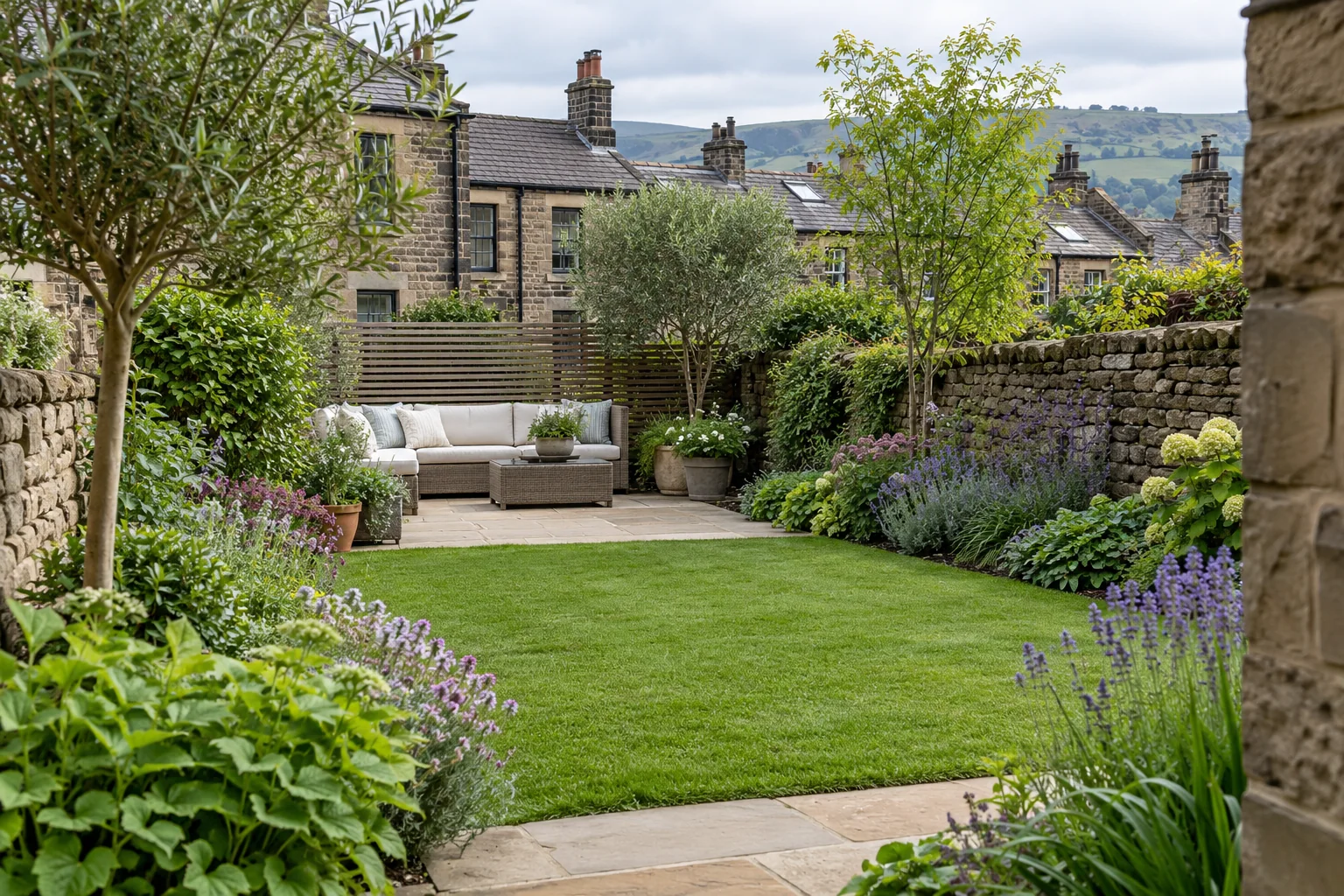
Starting a garden landscaping project in Keighley begins with imagining the desired outdoor space, whether full of colorful flowers or a peaceful escape. By assessing sunlight, checking soil quality, and considering existing features, homeowners can prepare for smart plant choices that suit the local climate. Adding native plants boosts biodiversity and eases upkeep. With a clear budget and timeline, homeowners can move through each step smoothly, connecting their home to nature. Each action helps turn their garden into a personal sanctuary that showcases beauty and environmental care.
Define Your Garden Goals
Begin by thinking about what you want from your garden. Do you envision a colorful space filled with flowers, or a calm area for unwinding? Consider how you will use the garden: hosting friends, growing vegetables, or enjoying nature’s beauty. Write down these goals to guide you throughout your landscaping journey.
Think about the style that appeals to you, do you prefer modern minimalism or cottage-style coziness? This choice will influence your plant selections and materials. Sketch ideas based on your vision and consider how each element connects to your home and its environment. Setting clear objectives simplifies decision-making and builds excitement as each stage of transformation unfolds!
Assess Your Space and Conditions
Now that you’ve established your garden goals, examine the space you have. Walk around your yard and note its features. Is it flat or sloped? Are there spots where water collects after rain? These details will influence what plants can thrive in your garden.
Sunlight Assessment
Check how sunlight moves across different areas throughout the day. Some plants grow well in full sun while others need some shade; knowing this helps you make better choices about placement.
Soil Quality Check
Look at the soil quality, digging a few inches down can show if it’s mostly clay, sandy, or loam. This information is crucial for selecting the right plants and determining any changes needed for healthy growth.
Existing Features Evaluation
Pay attention to existing elements like trees, fences, and pathways; these should guide your design. Consider how people will move through this space: Can guests navigate easily from one area to another? Plan practical zones that look nice and improve usability with layouts designed for your family. By assessing these conditions now, you’ll set a strong groundwork for creating a landscape that’s both visually appealing and functional as you continue planning accessibility and flow.
The Pros & Cons of Effective Garden Planning
Pros
-
Having clear project goals helps you make better decisions and ensures the garden meets your specific needs.
-
Evaluating existing conditions lets you create solutions that tackle unique challenges at the site.
-
Organizing zones and pathways boosts functionality and makes it easier to get around in the garden space.
-
Thinking about maintenance along with looks keeps expectations realistic regarding ongoing care requirements.
Cons
-
If planning takes too long, it can push back when the project starts, which might cause some frustration.
-
Limited budgets can restrict design choices and affect how satisfied people are with the end result.
-
Complicated site conditions could need extra skills or resources, leading to higher costs.
-
Finding a balance between looks and maintenance needs can make design decisions tricky and may require some compromises.
Plan for Accessibility and Flow
As you work on your garden project, make the space enjoyable for everyone. Accessibility is important, consider paths that are wide enough for easy movement and materials that provide a stable surface. If kids or older family members will use the garden, ensure there are no steep steps or uneven areas.
Visualize smooth transitions between different parts of your outdoor space. A well-designed layout allows guests to move easily from one area to another, whether vibrant flower beds lead to a cozy seating spot or vegetable patches blend with ornamental plants. You might want specific zones: an intimate corner for morning coffee among fragrant herbs and a larger area for summer barbecues.
Consider how these features fit with each other and your home’s style; they should create harmony rather than clash with nature. Use curves instead of straight lines when designing paths; this encourages exploration while softening hard edges next to lush greenery.
Think about future maintenance as you plan, the easier it is to access different parts of the garden for tasks like pruning or weeding, the more likely you’ll stay engaged over time! Your careful planning now sets up years filled with enjoyable gardening experiences as you transition into selecting sustainable plants and materials.
Choose Sustainable Plants and Materials
As you start the next chapter of your gardening journey, focus on choosing sustainable plants and materials that enhance beauty while supporting ecological health. Research native species that thrive in Keighley’s climate, these plants adapt well and require less water and care than exotic options. Consider varieties like lady’s mantle or foxgloves; they add interest to your garden and attract pollinators essential for a healthy ecosystem.
Layer your plant selections: place taller plants at the back of borders with medium-height flowers in front. This creates depth and visual appeal, transforming small areas into vibrant landscapes. For pathways or structures, choose eco-friendly options like reclaimed stone or sustainably sourced wood; these choices demonstrate a commitment to sustainability while adding charm.
When planning features like raised beds or seating areas, ensure they blend with nearby vegetation. Consider maintenance needs when selecting hardscaping elements, you’ll want surfaces that allow rainwater absorption instead of runoff, which could harm surrounding planting zones over time. By making thoughtful choices regarding both plants and structures, you create an environment that is welcoming and resilient against changing weather patterns common in our area.
Incorporating Composting Systems
Adding composting systems to your design is another effective way to support sustainability efforts; this reduces waste while improving soil quality, a true win-win situation! With each decision aimed at using sustainable plants and materials, you contribute positively both aesthetically and environmentally as you prepare for budgeting considerations for this exciting project ahead.
Essential Tips for Keighley Garden Design
| Planning Consideration | Description |
|---|---|
| Goals | Define the purpose of the garden, such as relaxation, entertainment, or growing vegetables. |
| Intended Uses | Identify how the garden will be used, including social gatherings, play areas for children, or personal retreats. |
| Style | Determine the desired aesthetic, whether it be contemporary, traditional, or a blend of styles. |
| Available Budget | Establish a budget that encompasses all aspects of the project, including materials and labour. |
| Existing Layout | Assess the current layout, including any slopes or uneven ground that may affect design choices. |
| Access | Evaluate access points for construction, maintenance, and overall usability of the garden space. |
| Levels | Consider the levels of the plot to ensure proper drainage and functionality in various weather conditions. |
| Drainage | Investigate existing drainage systems to avoid waterlogging and ensure plant health. |
| Zones and Routes | Sketch practical zones for different activities and routes for movement throughout the garden. |
| Ongoing Care | Compare maintenance requirements for lawns, planted borders, paving, gravel, and decking to inform choice of features. |
| Sequence of Stages | Understand the stages of planning, from consultation through to aftercare, to ensure a smooth project flow. |
Budgeting for Your Landscaping Project
As you budget for your landscaping project, consider your goals. A clear budget will help ensure your dreams align with your financial capacity. Start by estimating total costs based on materials, plants, and installation assistance. List items, soil amendments, seeds or seedlings, tools, and their estimated prices to create an initial framework.
Factor in Contingencies
Consider potential unexpected costs. Certain soil amendments may be needed after testing your garden’s quality, or additional materials might be necessary due to site conditions in Keighley’s unique landscape. Set aside 10-15% of your total budget for these surprises to reduce stress and prepare for challenges.
Ongoing Maintenance Costs
Include ongoing maintenance expenses in your financial plan. This covers fertilizers, mulch, and occasional professional assistance, especially important given the diverse climate influences in West Yorkshire. By outlining immediate spending and future upkeep needs now, you’ll develop a beautiful space and peace of mind throughout its growth as you prepare to create a detailed project timeline.
Create a Detailed Project Timeline
Now that you’ve set your budget, create a detailed project timeline to bring your vision to life. This is where organization meets creativity, allowing you to break down the process into manageable steps and set realistic expectations for each stage of your landscaping journey. Start by identifying key milestones: when will you begin purchasing plants? When do you expect installation to start? Mark these dates on a calendar or make an easy-to-read chart; visual reminders help keep motivation high.
Sequence of Activities
Consider the order of tasks, installation usually begins with larger structural elements like patios or decks before moving on to planting borders and decorative features. Allocate specific timeframes for each task based on complexity; more complicated installations may take longer than simple plantings. Include buffer times for unexpected delays due to weather or material availability, you know how unpredictable our local climate can be!
Aftercare
During this planning phase, remember aftercare! Schedule regular maintenance checks within your timeline to stay engaged as your garden grows and changes throughout the seasons. Adding these follow-up tasks ensures ongoing enjoyment while keeping everything thriving over the long term.
Share Your Timeline
Share this timeline with anyone involved, friends who’ll help during planting weekends or family members curious about what’s happening outside their windows! Keeping everyone informed encourages teamwork and excitement through every transition from bare earth into lush greenery as they see how initial ideas turn into beautiful outdoor spaces designed for enjoying life among nature’s bounty!
Unveiling Secrets of Keighley Garden Landscaping
-
Many homeowners in Keighley think that spending more money will create a nicer garden. Careful planning and clear goals often lead to better results, even with tight budgets.
-
Some people believe that every garden in Keighley has the same conditions; yet, layout, access, and drainage can differ from one property to another. These differences affect project planning.
-
A common assumption is that once a garden design is finished, it needs little maintenance. In reality, lawns, borders, and paving have different care requirements that should be considered during planning.
-
There’s a belief that garden zones and pathways can be chosen separately; yet, good landscaping usually requires blending these elements for a functional and cohesive outdoor area.
-
Many folks assume aftercare comes standard with any landscaping service, but it's important for homeowners to ask what aftercare will be included in quotes before moving forward with their project.
Implementation and Installation Steps
Now comes the exciting part: putting your plans into action. Start with site preparation, which is key for a successful installation. Clear away debris and unwanted plants from your chosen garden area. Remove weeds to create a clean space. If you face tough soil conditions in Keighley, improve it by mixing in compost or organic matter to enhance fertility and drainage before laying down hardscaping elements.
Installing Larger Features
Once your space is ready, start with the larger features, like pathways, raised beds, or decking areas. Monitor levels; if your plot has slopes or uneven spots, level them while ensuring proper water drainage. As each element takes shape according to your timeline, periodically check how everything fits together to ensure all components align as intended.
Planting and Care Routines
Once structural installations are complete and planting begins, with careful consideration of plant spacing based on mature sizes, you can bring life into the landscape! Remember that caring for new plants doesn’t stop at planting; establish care routines, especially watering schedules, as newly planted flora needs extra attention during early growth phases. Engaging in these tasks now sets up immediate success and fosters an ongoing relationship with this living piece of art over time!
Enjoy Your New Garden Space
Now that you’ve invested time and effort in your garden, it’s time to enjoy your outdoor space. Step back and appreciate what you’ve created, a blend of color, texture, and life that reflects your vision and hard work. This space is perfect for relaxing, celebrating, or growing fresh herbs right outside your kitchen.
As seasons change in Keighley, notice how different plants come to life, each bloom tells its own story. Invite friends for outdoor dinners surrounded by fragrant flowers or sip tea while enjoying nature. Your garden becomes an extension of home where memories form, whether planting seeds with kids or having quiet moments soaking up sunshine.
Engage with This Living Landscape Regularly
Its needs will evolve as growth unfolds throughout each season. Check on plant health often, look for pests or diseases, and monitor soil moisture levels so everything thrives together. You might find joy in working on specific areas: maybe pruning shrubs offers a meditative practice!
Consider Incorporating Elements Like Seating Arrangements
Create spaces that encourage guests to linger amid lush surroundings, it can turn simple gatherings into lasting experiences under starry skies! Also pay attention to seasonal changes: plan activities around blooming cycles, like inviting local wildlife through bird feeders during spring when blossoms are plentiful.
Enjoy every moment spent within these carefully crafted boundaries, you’ve improved curb appeal and enriched lives through connecting with nature! With ongoing care in this vibrant oasis comes satisfaction from watching dreams take root among joyful blooms year after year.
FAQ
What are the key factors I should consider when defining the purpose of my garden project?
Homeowners and landlords in Keighley should consider their goals, preferred style, and budget when planning a garden project.
How do I assess the existing layout and conditions of my garden effectively?
Evaluate the garden’s layout by assessing accessibility, ground level, and potential drainage issues.
What steps can I take to plan functional zones and routes in my garden design?
Create a practical sketch to effectively plan functional zones and paths in a garden design, considering how people will move between these areas.
How do I weigh ongoing maintenance requirements against the appearance of different landscaping options?
Consider how each landscaping option aligns with your garden goals and the upkeep you can realistically manage.
What is the general sequence of planning stages for a successful garden project?
The typical steps for planning a successful garden project are consultation, scope and layout decisions, preparation, installation, finishing, handover, and aftercare.
What questions should I ask when requesting quotes from gardening services to ensure clarity on scope and materials?
When requesting quotes from gardening services, inquire about included tasks, materials, preparation, and any aftercare provided.