
How Often Should You Book Garden Maintenance?
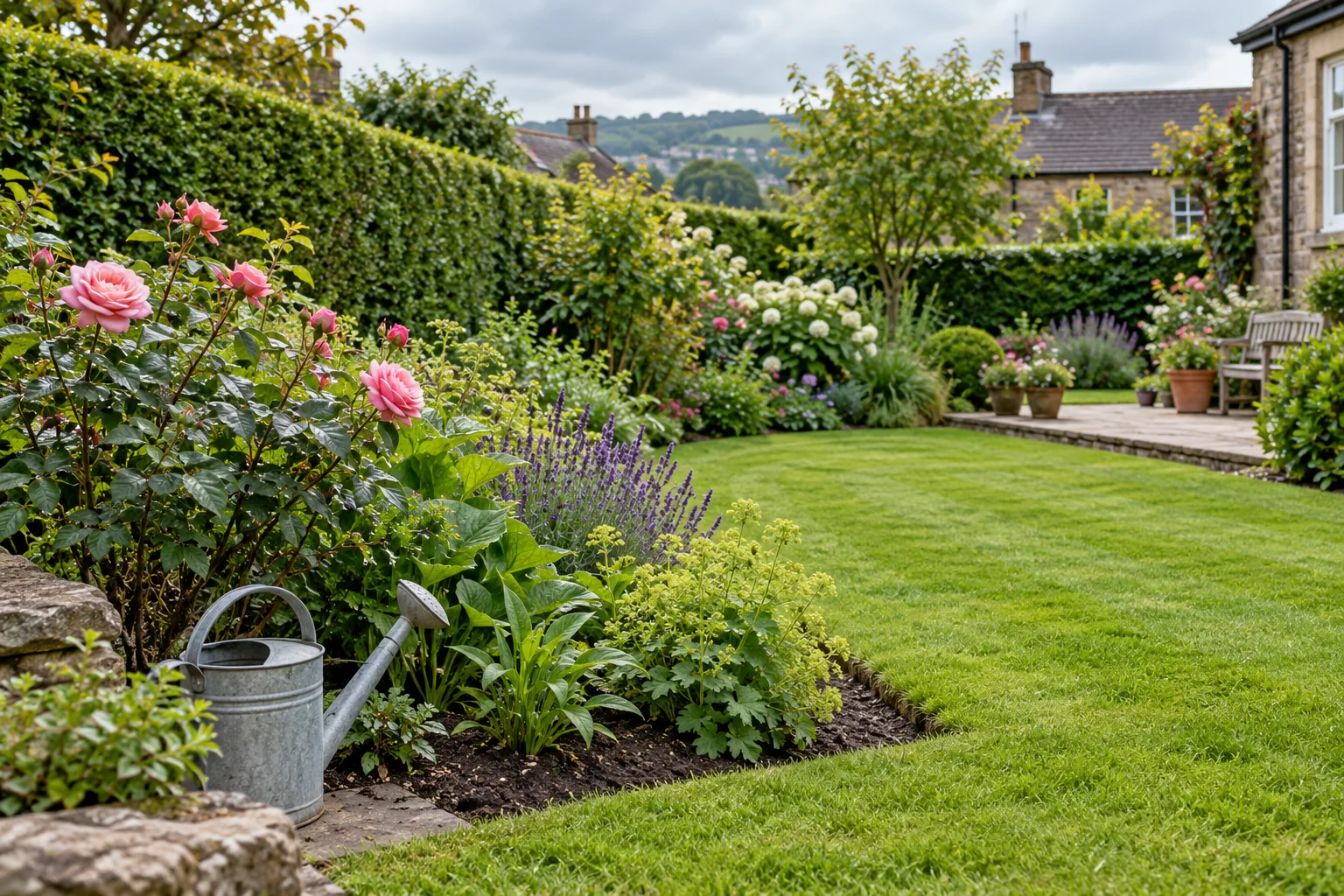
Caring for your garden is essential for the health of your plants and lawn. Homeowners should consider garden maintenance services every 4 to 6 weeks during the growing season, with experts recommending at least one visit per month as a starting point. Specific needs may vary based on plant types and seasonal changes, gardens with hedges or large flower beds might require attention every 1 to 2 weeks, especially during peak summer growth. By adjusting maintenance frequency to fit their outdoor spaces, homeowners can help their gardens thrive while avoiding overwhelming tasks.
Recommended Visit Intervals for Gardens
Maintaining a beautiful garden requires more than just a plan. Most gardens need regular care, and experts suggest visiting at least once a month as a starting point. If your garden has hedges, flower beds, or large lawns that need extra attention, consider scheduling maintenance every 1 to 2 weeks. Seasonal changes can impact how often these services are needed; during summer, when plants grow quickly and weeds appear, weekly visits may be necessary to maintain control.
Autumn Care
As autumn arrives and temperatures drop, consider switching to biweekly appointments, this provides enough time for upkeep without overburdening yourself or your gardener. In winter, when plant growth slows, monthly check-ins are usually sufficient. While choosing less frequent visits may seem budget-friendly, it could lead to more tasks piling up between appointments, something to consider against potential savings on service fees.
Seasonal Scheduling for Garden Care
As the seasons change, so do the needs of your garden. In spring, when new growth appears and flowers bloom, increase how often you check on things. Scheduling visits every two weeks can help manage early weeds and support young plants. Regular care encourages healthy growth and allows for tasks like fertilizing and mulching, key steps that lay a strong foundation for the coming months.
Summer Care
When summer arrives, gardens often thrive; therefore, weekly visits become essential. This is especially true for fast-growing species or areas prone to weeds. As autumn approaches and temperatures cool, shifting back to biweekly check-ins helps manage falling leaves while keeping everything tidy.
Winter Maintenance
In winter, monthly assessments may suffice since most plant activity slows significantly, but don’t let too much time pass between visits! Minor issues during dormancy can escalate into bigger challenges by spring if left unchecked.
The Pros & Cons of Garden Maintenance Frequency
Pros
-
Keeping up with regular maintenance, at least once a month, helps gardens stay neat and healthy.
-
More frequent visits (every 1 – 2 weeks) address specific tasks like trimming hedges and caring for flower beds.
-
Adjusting visit frequency by season matches plant growth rates, ensuring proper care throughout the year.
-
Frequent visits can help prevent routine tasks from building up between appointments.
Cons
-
Monthly lawn mowing can create tough situations because of rapid grass growth, making it harder to maintain the yard.
-
If visits happen less often, more tasks may have built up by the next appointment.
-
Customers may have expectations that don’t match what actually happens with fewer visits, which could lead to disappointment.
-
With fewer professional visits, there’s a higher chance of neglect as homeowners might find it difficult to keep up with gardening tasks.
Garden-specific Maintenance Needs
Every garden has unique needs that impact maintenance schedules. For gardens with hedges or flower beds, visits every 1 to 2 weeks help manage trimming and weeding before they become overwhelming. If the garden requires less attention, monthly visits may suffice; yet, stay alert during peak growth seasons when activity increases.
Summer Care
During summer, increase focus; weekly check-ins help tackle weeds quickly and support plant health as growth accelerates. As fall approaches and growth slows, switching to visits every two weeks maintains appearance while preparing for winter dormancy. In colder months, monthly visits may be sufficient since plants tend to rest, but regular assessments are essential. Ignoring small issues now could lead to bigger problems in spring.
Finding Your Rhythm
Establishing the right routine depends on understanding what fits your garden’s ecosystem, consider current plant types and their seasonal behaviors, and adjust your plan throughout the year based on any changes or personal preferences.
Lawn Mowing Frequency Insights
When it comes to lawn mowing, frequency is key for keeping grass healthy and attractive. During the busy summer months, weekly mowing is usually necessary to manage grass length and control weeds. As autumn arrives, consider switching to biweekly mowing; this maintains neat turf while preventing leaf buildup.
Monthly Mowing
As winter approaches, you might consider monthly mowing. Allowing a month’s growth can lead to uneven cuts and clumps of clippings that clog equipment. For lawns with slopes or hard-to-reach areas, three-week intervals may effectively balance maintenance and practicality.
How often to mow depends on several factors: garden size, seasonal grass behavior, and personal preferences regarding appearance. By aligning these elements throughout the year, you can create a routine that keeps your outdoor space thriving while minimizing future hassles.
Optimal Frequency for Lush Gardens
| Maintenance frequency | Typical use | Seasonal notes |
|---|---|---|
| Weekly | Fast-growing lawns or beds that need frequent attention | Often most useful during active growth |
| Fortnightly | Regular upkeep through the growing season | Adjust as growth slows or conditions change |
| Every 3–4 weeks | Routine checks and lighter ongoing care | Monthly visits may suit quieter winter periods |
| Every 1–2 weeks | Hedges, flower beds or larger lawns needing closer attention | Set timing around growth and the work agreed |
| One-off visit | A specific tidy or seasonal task | Agree the work and price before booking |
| Less frequent visits | May suit gardens needing occasional attention | More tasks may have built up by the next visit |
Frequency and Maintenance Costs Overview
The right visit pattern depends on the garden’s size, condition and the work you want done. Regular visits can spread routine jobs across the season, while longer gaps may allow more work to build up. Ask the gardener to agree the tasks and price with you before booking.
Planning the Work
When comparing visit schedules, consider how quickly the lawn, hedges and beds grow, and whether you want ongoing upkeep or a one-off tidy. A clear list of priorities helps the gardener estimate the time and scope for your garden.
Understanding Customer Expectations
Customer expectations influence how often to maintain your garden. Not every homeowner has the same needs, which impacts service frequency. Many gardens benefit from at least monthly visits, but those with specific requirements, like hedges needing regular trimming or large flower beds requiring frequent weeding, may need more attention. For busy families or individuals new to gardening, understanding these details helps create an effective maintenance plan.
Communication is Key
Talking openly with your gardener is essential when setting up a maintenance routine. Discuss what works best based on seasonal changes; for instance, during peak growth in summer, weekly visits may be necessary to maintain health and appearance while controlling weeds. Switching to bi-weekly check-ins in autumn allows for tasks like leaf clearing without overwhelming either party as winter approaches, a time when monthly assessments may suffice due to reduced plant activity but shouldn’t be neglected. Establishing clear expectations about frequency and quality care throughout different seasons with your service provider can lead to satisfying results year-round.
Unveiling Garden Care Myths and Truths
-
Most gardens need maintenance at least once a month, but how often depends on the garden’s size, state, and specific care requirements.
-
If your garden has hedges or flower beds, visit every 1 – 2 weeks to keep everything healthy.
-
In summer, plants usually grow faster, so it’s recommended to come weekly to manage that growth.
-
Mowing monthly can be tricky because longer grass can make cutting harder and more time-consuming.
-
Some gardeners have found success with monthly maintenance plans for smaller gardens where clients handle certain tasks themselves, demonstrating that flexibility can create effective care solutions.
Monthly Visits and Trade-offs
Monthly visits can work for many gardens, but more tasks may have built up by each appointment. Agree which jobs matter most so the available time is used well.
Regular check-ins every 1-2 weeks could save you money on maintenance by keeping tasks manageable and preventing overwhelming workloads. If you have hedges or flower beds needing consistent care, bi-weekly appointments might be better for your budget and aesthetics. It’s often easier, and cheaper, to handle smaller jobs regularly than deal with major clean-ups later. Finding a balance between frequency and service quality helps keep your outdoor space thriving without straining your finances; clear communication with your service provider about expectations is crucial for determining what works best for everyone involved.
Subscription and One-off Visits Explained
When considering garden maintenance, choosing between subscription services and one-off visits can significantly impact your gardening experience. Subscription models provide a consistent care schedule, similar to regular check-ups for your garden.
One-off visits can suit a specific job or a change in priorities. If you rely on occasional visits, explain what has changed since the last appointment and agree the work before it starts.
Maintaining an Overgrown Garden
An overgrown garden can seem like a big task, but with the right maintenance plan, you can regain control of your outdoor space. If you’ve neglected it, perhaps due to a busy life or unexpected events, it’s important to address the issue promptly. Gardens needing extra care may require attention every 1 to 2 weeks initially; this schedule helps professionals manage heavy growth and weeds effectively. Consider adding seasonal tasks during these visits, like pruning wild plants or preparing beds for new growth.
If neglect has led to significant overgrowth, like thick weeds or sprawling bushes, you may need weekly visits at first until balance is restored. These regular check-ins will help control aggressive plant types and allow thorough clean-ups of debris that could attract pests or diseases if ignored. Once your garden regains order, you can reduce the frequency of sessions; yet, staying vigilant about emerging issues remains crucial. By setting clear expectations around care needs from the start and proactively scheduling those initial intensive sessions, you’ll position both your garden, and yourself, for success in upcoming seasons.
FAQ
What is the recommended frequency for garden maintenance visits?
Garden maintenance typically requires visits at least once a month, but may need to be more frequent based on specific needs and seasonal changes.
How does seasonal change affect the frequency of garden maintenance?
Seasonal changes affect garden maintenance frequency: visit weekly in summer, every two weeks in autumn, and monthly in winter.
What factors should I consider when deciding on a visit schedule for my garden?
When planning garden visits, consider size, condition, maintenance needs, and seasonal changes; generally, schedule visits at least once a month, or every 1 to 2 weeks for high-maintenance areas.
Why might monthly lawn mowing not be suitable for all gardens?
Monthly lawn mowing may not suit every garden due to factors like size, condition, and customer expectations, which can affect mowing efficiency and results.
How can I ensure that my expectations align with the gardener’s service and pricing?
Discuss the tasks, visit frequency and price with your gardener. Ask for a quote based on your garden and the work required.