
What Does Garden Maintenance Include?
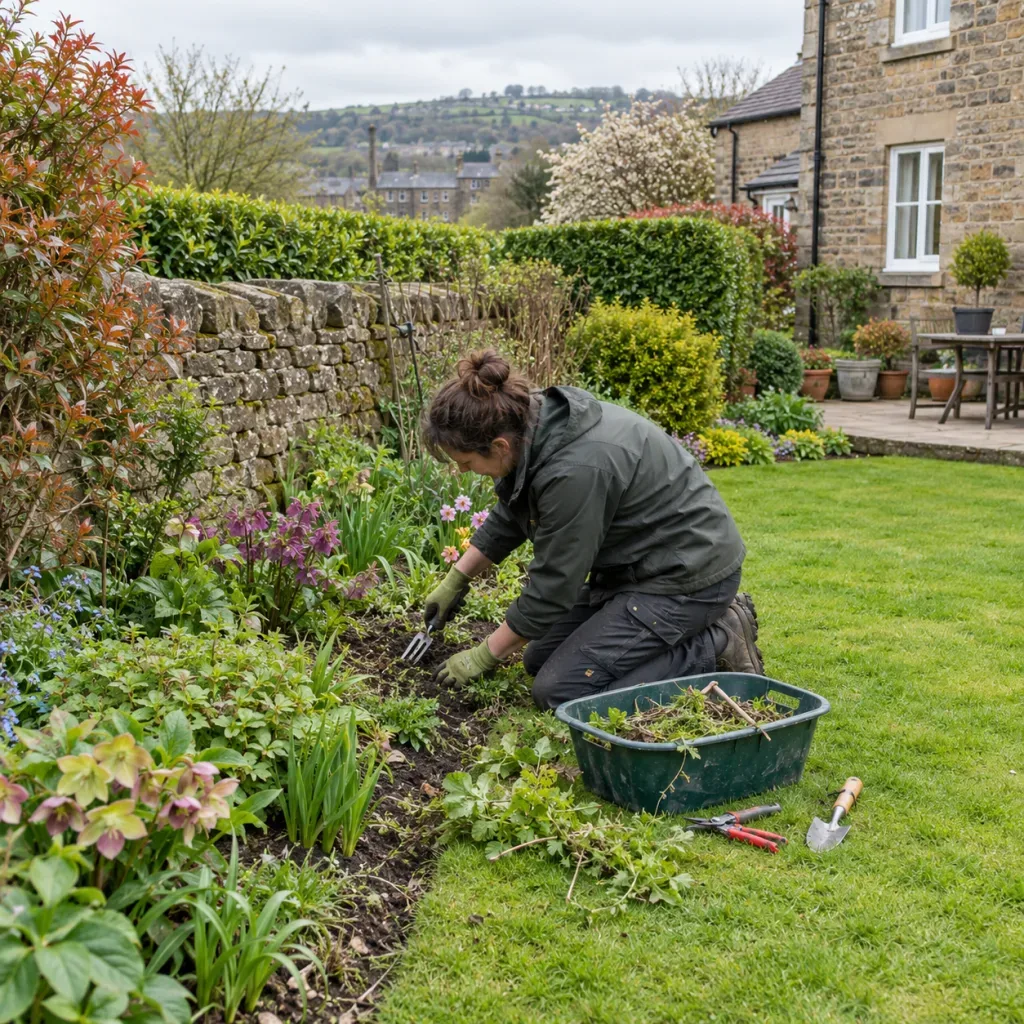
Garden maintenance is key to creating a vibrant outdoor space. This practice includes weeding, pruning, fertilizing, mowing, and pest control. By committing to these activities year-round, homeowners keep their gardens lively and appealing.
Common Garden Maintenance Tasks
Maintaining a garden involves several key tasks that keep it healthy and attractive. Regular mowing keeps the grass tidy and promotes growth, while weeding prevents unwanted plants from using resources. Pruning is important; cutting back long branches allows air and sunlight to reach the plants, helping them grow strong. Using fertilizers provides essential nutrients for plant health.
The activities needed for garden care vary depending on personal preferences and seasonal changes. Clearing leaves in autumn prepares gardens for winter by preventing mold under fallen foliage. Seasonal services like snow removal may be part of maintenance plans designed for different climates. Homeowners should discuss their specific needs with gardeners early on to ensure proper care throughout the year, allowing for a flourishing outdoor space without feeling overwhelmed!
Seasonal and Regular Maintenance
Garden maintenance requires a commitment to tasks that shift with the seasons. In spring, homeowners focus on planting new flowers and vegetables while refreshing existing plant beds. This improves the garden’s appearance and increases productivity in edible gardens. Regularly mowing grass is essential; it promotes thicker growth and helps control weeds.
As summer approaches, watering becomes crucial due to rising temperatures. Monitoring moisture levels prevents stress on plants, especially those recently planted, and ensures vibrant blooms. Checking for pests is important since warmer weather attracts unwanted visitors.
Autumn
Autumn marks a transition toward preparing for winter dormancy; clearing fallen leaves protects lawns from mold and supports healthy growth in spring. Homeowners should schedule seasonal services like snow removal or mulching late in the year, the latter provides insulation for roots against frost damage while improving soil quality come thawing time. By synchronizing maintenance efforts with changing conditions, gardeners can promote long-term health and beauty in their outdoor spaces without feeling overwhelmed.
The Pros & Cons of Garden Care Responsibilities
Pros
-
Keeping up with regular garden maintenance improves the look and health of your outdoor areas.
-
Professional gardeners offer valuable advice on how to care for plants and manage your garden effectively.
-
Sticking to a schedule for upkeep helps you avoid bigger tasks later, making it easier to maintain your space.
-
Clearly defined responsibilities in rental agreements can help prevent conflicts between landlords and tenants.
Cons
-
Hiring professional gardeners can lead to ongoing costs that accumulate over time.
-
Tenants might find they can't make changes to the garden without getting approval from their landlord.
-
Weather conditions can interfere with scheduled maintenance tasks, causing delays.
-
Not all gardeners provide the same services, so you may need to do extra research.
Gardener and Landscaper Differences
The difference between gardeners and landscapers is important for homeowners to know. Both are essential for maintaining outdoor spaces but focus on different aspects. Gardeners care for plants and greenery, performing tasks like planting, watering, weeding, pruning, and fertilizing to help gardens flourish. They nurture existing plants or grow new ones while maintaining soil health through regular care.
In contrast, landscapers take a structural approach by designing and creating outdoor areas. They manage projects like installing patios or pathways, building fences or sheds, and working with hard landscaping features like decking. While there can be some overlap, like when a gardener also has design skills, their areas of expertise differ widely; not every gardener offers landscaping services, nor should they be expected to without clear communication about specific homeowner needs from the start. Understanding these differences helps individuals seeking garden maintenance make informed decisions based on their unique requirements.
Choosing the Right Gardener
Selecting the right gardener is crucial for creating a healthy garden. Homeowners should first consider their specific needs, as these will determine the necessary services for their outdoor area. This could include regular lawn mowing, plant care, or seasonal tasks like clearing leaves and managing pests. By clarifying their desires, homeowners can engage in productive discussions with potential gardeners.
It’s wise to ask candidates about their services before making a choice. Every gardener has a different style; some excel at basic upkeep, while others have advanced skills in garden design or renovation. The Gardeners Guild advises requesting detailed quotes that outline the work involved and obtaining written agreements to clarify expectations from the start, helping to prevent misunderstandings later on.
Experience Matters
Experience matters when choosing someone for gardening needs. Seasoned professionals typically possess solid knowledge of plants and best practices suited for various climates or soil types, leading to better results over time. In contrast, newer gardeners may offer budget-friendly options but might struggle with complex issues that require specialized knowledge or more intensive labor.
Finding the Right Fit
finding the right fit means connecting with candidates who demonstrate skill and understand your vision for maintaining your garden. Open communication is essential: discussing ideas openly allows both sides to explore possibilities together while building trust, a key part of forming lasting partnerships that create beautiful outdoor spaces!
Essential Tasks for Thriving Gardens
| Garden Maintenance Tasks | Description |
|---|---|
| Mowing and Strimming | Cutting grass to maintain an even height and promote healthy growth. |
| Weeding | Removing unwanted plants to prevent competition for resources. |
| Pruning and Hedge Trimming | Cutting back plants to encourage growth and maintain shape. |
| Planting and Planting Advice | Installing new plants and providing guidance on suitable varieties. |
| Vegetable Growing | Cultivating edible plants for personal consumption. |
| Sourcing and Supplying Plants or Items | Obtaining plants and gardening supplies as needed. |
| Autumn Leaf Clearance and Snow Clearance | Removing leaves in autumn and snow during winter to maintain garden health. |
| Applying Feeds and Pesticides | Using fertilizers and pest control methods to enhance plant vitality. |
Understanding Rental Garden Responsibilities
When it comes to rental gardens, knowing responsibilities is important for tenants and landlords. Tenants typically handle basic garden maintenance, including mowing the lawn, watering plants during dry spells, and keeping flower beds free of weeds. The expectation is simple: maintain the outdoor space without allowing overgrowth or clutter. While tenants manage everyday tasks, larger maintenance issues, like pruning tall trees or extensive landscaping projects, usually fall on the landlord.
Communication
Communication plays a key role in clarifying these responsibilities; tenancy agreements should clearly state what each party is responsible for regarding garden care. This clarity helps avoid misunderstandings about expectations when moving into or out of a property. If a tenant wants to make changes to the garden, like planting new flowers, they must get approval from their landlord first to prevent disputes over unauthorized changes. Documenting the condition of the garden at check-in and check-out can help ensure smooth transitions between tenants while maintaining accountability throughout leasing periods.
Establishing Maintenance Schedules
Establishing a maintenance schedule is essential for a thriving garden. A structured routine ensures important tasks are completed regularly and helps homeowners use their time and resources wisely. Plan weekly mowing during hot summer months and switch to monthly check-ins in cooler seasons when growth slows. This approach allows gardeners to handle smaller jobs like weeding or light pruning before they become bigger issues. Homeowners gain clearer expectations about what will happen and when, making it easier to manage their gardens without stress.
Flexibility
Flexibility in these schedules is also important; seasonal changes may require adjustments based on weather conditions or specific plant needs. In spring, more frequent visits can be beneficial as flowers bloom and need close attention, like deadheading spent blooms or ensuring plants have enough water after planting. Winter prep could involve simpler tasks like removing debris and adding mulch to protect against frost damage. By syncing maintenance efforts with nature’s cycles while responding to individual garden needs, homeowners can nurture beautiful outdoor spaces year-round, always ready for the beauty each new season brings!
Unveiling Secrets of Garden Care Practices
-
Many homeowners think garden maintenance is only important in spring and summer, but it is needed all year round, even in winter. Regular small tasks can lighten the load during busier seasons.
-
A common myth is that all gardeners offer the same services. In reality, gardeners provide a wide range of services; some focus on specific areas like lawn care or plant advice while others may not cover every service listed by organizations like The Gardeners Guild.
-
Some people believe that garden maintenance is just about manual labor; yet, good gardening also requires planning and management to effectively use resources and keep plants healthy. Experienced gardeners can spot specific needs and give useful advice based on their knowledge.
-
It's often assumed that tenants must handle extensive garden work in rental properties. While basic tasks like mowing and weeding usually fall to tenants, bigger jobs needing expertise, like pruning tall trees, are typically the landlord's responsibility.
-
There’s a belief that any gardener can take on hard landscaping projects. Some might have skills in this area, many focus mainly on regular maintenance tasks. Homeowners should ask individual gardeners about their specific abilities before assuming they can do all kinds of work.
Agreeing on Quotes and Payments
Discussing quotes and payments is essential when working with gardening services. Homeowners should state their expectations clearly to obtain accurate estimates from potential gardeners. When requesting a quote, it’s crucial to mention specific tasks, like how often the lawn should be mowed or when pruning should occur, so that costs reflect actual needs. Many professional gardeners charge by the hour, but prices vary based on garden size and work complexity.
Clarity about expectations leads to easier negotiations.
Once a gardener provides a detailed estimate, homeowners should review it carefully before proceeding, this includes checking for extra charges for materials like plants or fertilizers that may not be included in the basic fees. Written agreements protect both parties against misunderstandings; they outline responsibilities regarding service delivery and payment terms. Setting these arrangements upfront gives clients peace of mind while ensuring regular care tailored to their gardens.
Payment Options
Some gardeners offer flexible payment options beyond hourly rates, these may include weekly or monthly billing, depending on ongoing maintenance needs throughout different seasons. Open discussions about financial matters build trust between homeowners and gardeners, paving the way for successful teamwork focused on creating beautiful outdoor spaces!
Practical Plant Care Techniques
Caring for plants requires practical techniques to keep gardens healthy. Watering ensures each plant receives enough moisture to thrive, especially during dry periods when roots struggle to find water. Regular soil checks help determine if extra nutrients or amendments are needed, soil testing reveals pH levels and nutrient deficiencies, leading to informed fertilization decisions. Pruning promotes healthier growth by removing dead or diseased branches and allowing light to reach dense foliage.
Weeding
Address weeds early to prevent invasive species from overtaking flower beds or vegetable patches. Using mulch suppresses weeds, retains soil moisture, and adds organic matter as it breaks down.
Pest Management
Managing pests is crucial; using integrated pest management (IPM) strategies controls unwanted insects without harming beneficial ones like bees and ladybugs that maintain balance in nature.
Seasonal Care
As seasons change, so do plant needs; spring may require more attention with planting seedlings and monitoring pests waking from winter hibernation. Autumn brings responsibilities like raking leaves to prevent lawn smothering and preparing gardens for dormancy, ensuring they return strong in spring. By consistently engaging in these practices throughout the year, and discussing specific needs with their gardener, homeowners can cultivate thriving outdoor spaces all year round.
Soft Landscaping Services Explained
Soft landscaping includes services that improve outdoor spaces and promote plant health. This involves tasks like laying ornamental gravel paths, applying decorative bark around borders, and treating wooden structures like fences or garden sheds with protective coatings. These features enhance a garden’s appearance and help maintain soil health and moisture retention, creating better conditions for plants to thrive. Homeowners should share their ideas with gardeners to identify which soft landscaping elements will best suit their gardens.
The process requires thoughtful planning to ensure everything fits well within the ecosystem. Choosing materials that match local climate conditions supports sustainable gardening, using native plants can lower water usage and attract beneficial wildlife. Experienced gardeners often offer advice on layouts and planting plans tailored to specific spaces, improving both beauty and usability over time. By discussing these options with professional guidance, homeowners develop gardens that reflect personal style while being environmentally responsible!
Thriving Through Maintenance
Thriving gardens require regular upkeep, including key practices that maintain their health and appearance. Mowing the lawn is essential; it keeps yards neat and encourages strong growth by controlling overgrowth. Timely weeding is important, removing unwanted plants early allows flowers or vegetables to grow without competing for nutrients and sunlight. Seasonal tasks are crucial; for example, clearing leaves in autumn prevents mold and prepares gardens for winter dormancy.
By staying on top of these chores, homeowners can enjoy their outdoor spaces without feeling overwhelmed during busy blooming seasons.
Communication
Talking about specific needs with gardeners improves this process a lot. Setting clear expectations about services, from basic maintenance to special tasks like pest control or soil improvement, helps create a system where gardening work leads to great results all year long. This teamwork benefits both the plants and builds connections among garden lovers who exchange tips, ideas, and support each other in creating thriving environments together! Regular communication ensures everyone understands what’s needed to maintain lush greenery: it’s all about working together toward beautiful landscapes that bring joy throughout every season!
FAQ
What types of services are typically included in garden maintenance?
Garden maintenance includes mowing, weeding, trimming, planting, applying fertilizers and pesticides, clearing debris, and providing plant care advice, as detailed by the Gardeners Guild.
How often should homeowners schedule garden maintenance visits throughout the year?
Homeowners should consider weekly, biweekly, or monthly garden maintenance visits based on their garden’s needs and the services offered by their gardener.
What distinguishes the roles of gardeners and landscapers in outdoor care?
Gardeners care for plants through tasks like planting and watering, while landscapers plan and build outdoor elements like fences and driveways.
What responsibilities do tenants have regarding garden upkeep in rental properties?
Tenants must maintain the garden by keeping it clean and tidy, including mowing the lawn and caring for flower beds.
How can homeowners effectively communicate their garden maintenance needs to a gardener?
Homeowners can communicate their garden maintenance needs to a gardener by specifying tasks, discussing qualifications, and obtaining a written agreement outlining the work involved.