
When Should You Trim a Hedge?
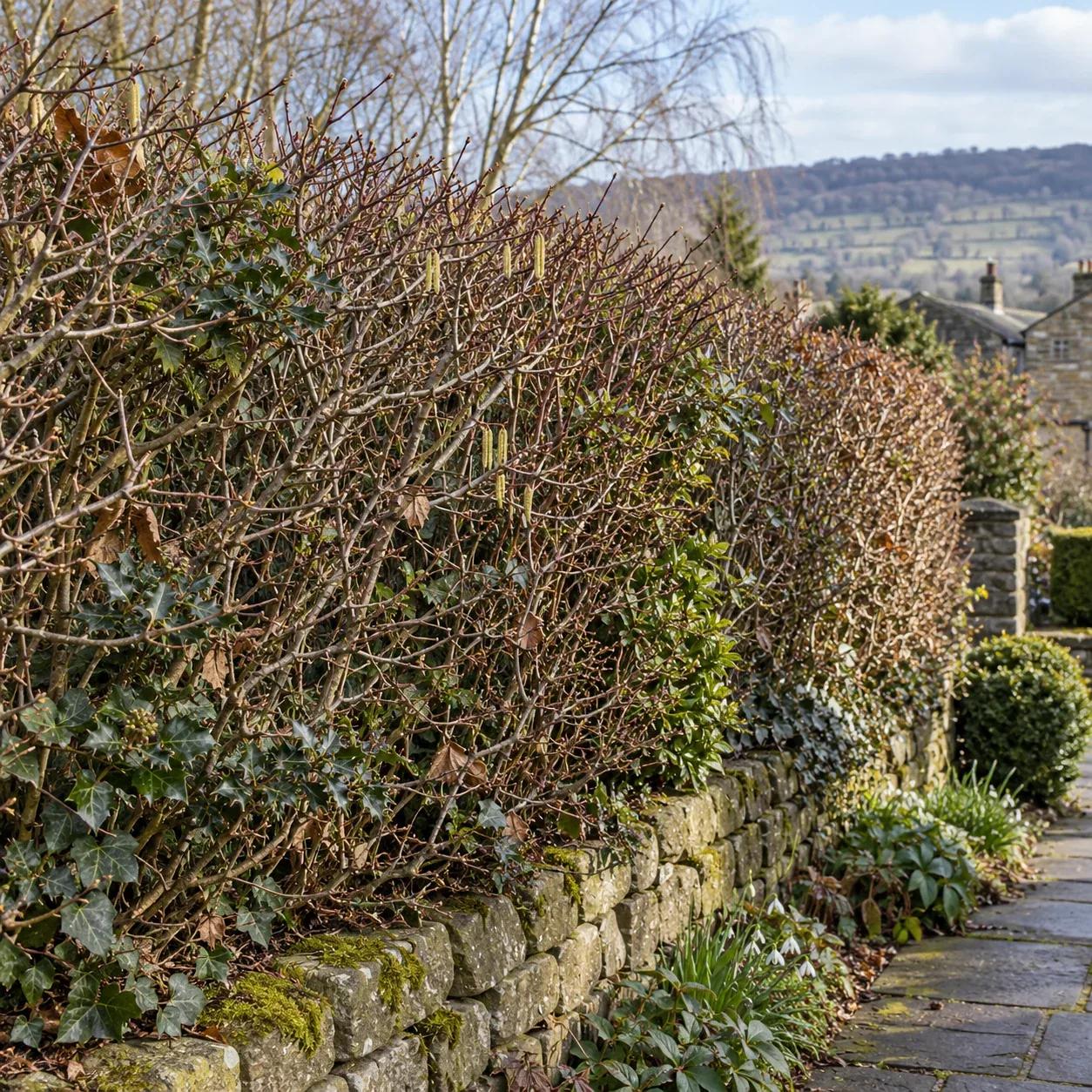
Homeowners should trim hedges in late spring or early summer, after the risk of frost and before new growth slows. This encourages healthy regrowth and keeps the hedge tidy. Some species benefit from a light trim in late winter or early spring for bushiness. Flowering varieties should be pruned after blooming to maintain next year’s flowers. By considering each plant’s needs and the environment, gardeners can support vibrant greenery.
Optimal Timing for Hedge Trimming
When planning to trim hedges, consider the timing and specifics of each plant. Many hedges benefit from trimming between May and August, but some may require a customized approach based on their growth patterns. A significant cut in late winter or early spring can encourage strong new growth as temperatures rise. Tracking each type’s needs promotes healthy greenery.
Seasonal Considerations
Timing plays a crucial role in hedge maintenance. As buds swell in February, this period offers an ideal opportunity for heavier cuts before active growth begins. For flowering varieties, prune after they bloom to avoid impacting next year’s flowers. Balancing these factors helps maintain beauty and health in the garden.
Environmental Conditions
Consider the weather when scheduling trimming. It’s best to trim on mild days; cloudy conditions are preferable to hot or damp weather that could hinder recovery from cuts. Keep in mind that nesting season runs from March through August; checking for bird activity before starting work protects birds and ensures compliance with legal protections against disturbing nests outlined by the Wildlife & Countryside Act 1981.
Species-specific Trimming Calendars
When trimming hedges, know the specific needs of different plant species for optimal results. Many hedges thrive when trimmed between May and August, but some may require different timing. Cutting back plants in late winter or early spring promotes strong growth as they enter their growing season, utilizing the energy from warmer weather. Observing each plant’s growth encourages lush greenery and better overall health.
Seasonal Factors
Seasonal changes are key to your trimming plan. As February arrives and buds swell, it’s an ideal time for heavier cuts before new growth begins. For flowering shrubs or hedges that bloom next year, wait until after they’ve flowered, trimming too early could risk future blooms. Balancing visual appeal with plant health ensures both beauty and function in your outdoor space.
Environmental Conditions
Consider environmental factors when scheduling pruning sessions. Choose moderate weather, a cloudy day is preferable to hot conditions, as it aids plant recovery while avoiding issues from excessive moisture or extreme dryness. Be aware that nesting season runs from March through August; check for active nests before starting any work to protect birds and comply with legal guidelines outlined by the Wildlife & Countryside Act 1981.
The Pros & Cons of Hedge Trimming Timing
Pros
-
Timing plays a key role in keeping hedges healthy and promoting growth, which helps achieve the right shape and density.
-
Trimming during suggested times, like May to August for most UK hedges, encourages strong new growth.
-
The RHS offers specific timings based on species that help avoid harming flowering plants and ensure they keep blooming.
-
Regular upkeep stops overgrowth, keeps hedges tidy and easy to manage while boosting their visual appeal.
-
Pruning before nesting season (March to August) safeguards local wildlife and meets legal obligations under the Wildlife & Countryside Act
-
Adhering to weather guidelines reduces stress on plants, lowering the chances of disease or damage.
Cons
-
If you don’t trim hedges consistently, they can grow unevenly or become unhealthy because they need specific care based on their species.
-
The law restricts trimming covered hedgerows from 1 March to 31 August, which may limit your options for maintaining some properties.
-
Trimming too much or at the wrong time can cause lasting damage, particularly in conifers that won’t regrow from old wood.
-
Extreme weather like heat above 28°C or frost below -5°C can make it tough to find the right time for trimming.
-
Not checking for nesting birds before trimming could lead to legal issues under wildlife protection laws.
-
If you're unaware of what each species needs, you might see fewer flowers and a drop in overall hedge health.
Young and Overgrown Hedge Care
Young hedges need extra care in their early years to build a strong base. When planting new hedging, start formative pruning in the first two growing seasons. For deciduous types, cut back the main upright shoots by one-third in winter, ensuring cuts are just above a bud. This encourages bushy growth and helps form a dense structure. Trim side shoots to maintain appropriate width; aim for clean cuts at well-placed buds.
Dealing with Overgrown Hedges
Handling overgrown hedges requires a different approach since they benefit from careful reduction instead of complete renovation. If your hedge is unruly, consider gradually cutting it down, starting on one side before tackling the other, to allow time for recovery between trims. February is generally recommended for major reductions because plants are dormant and can handle stress better during this period. Keep in mind: many conifers won’t regrow if trimmed too drastically; yet, yew can endure severe trimming without long-term issues.
Weather Conditions for Trimming
When planning hedge trimming, consider the weather. The best results occur on days with moderate temperatures, not too hot or cold. Avoid trimming during heatwaves; if temperatures exceed 28°C, wait for better conditions. Excessive heat can stress plants and hinder recovery after cutting. Also, avoid trimming when nighttime temperatures drop below -5°C, as frozen sap can cause branches to break or die back.
Rainy days pose their own challenges; wet surfaces create safety hazards and can lead to uneven cuts that harm plant health over time. Ideally, choose a cloudy day that retains moisture without drying out leaves quickly after trimming, a balance crucial for promoting healthy growth. Keep these tips in mind for seasonal hedge maintenance to ensure healthier hedges throughout the year while respecting nature’s cycles.
Optimal Timing for Hedge Trimming
| Hedge Type | Recommended Trimming Frequency | Best Time to Trim | Special Considerations |
|---|---|---|---|
| Formal Evergreen Hedges | 2-3 times during growing season | May–August | Box is susceptible to box blight; trim late spring for airflow. |
| Conifer Hedges | 2-3 times during growing season | April, July, August | Avoid trimming after August to prevent bare patches. |
| Formal Deciduous Hedges | Once or twice a year | Mid to late summer | Beech and hornbeam can retain leaves through winter. |
| Informal Flowering Evergreen Hedges | After flowering | Varies by species | Prune immediately after flowering; check for nesting birds. |
| Informal Flowering Deciduous Hedges | After flowering | Varies by species | Forsythia requires removal of some older stems. |
| Young Hedges | Formative pruning in the first 2 years | Winter, just after planting | Cut leading shoots by one-third; trim side shoots annually. |
| Overgrown Hedges | As needed | February before new growth | Can reshoot from old wood, except for most conifers. |
Nesting Birds and Legal Compliance
Before trimming, consider the nesting birds that may inhabit your hedge. The Wildlife & Countryside Act 1981 protects these birds, making it illegal to disturb or destroy active nests. Nesting season typically runs from March to August, but this can vary by location and bird species. To comply with the law and respect nature, gently check your hedges by rustling them lightly and observing for bird activity. If you find a nest in use or under construction, wait until after the chicks have fledged.
If managing hedgerows near agricultural land, special regulations will apply starting May 23, 2024. These rules will restrict trimming during certain times to protect wildlife habitats. Understanding these legal requirements helps safeguard the environment and enhances gardening by promoting responsibility for local biodiversity while maintaining attractive outdoor spaces.
Caring for Formal and Informal Hedges
Caring for formal and informal hedges requires understanding their unique traits. Formal hedges are well-shaped and regularly maintained, needing consistent trimming during the growing season, about two to three times from May to August. This upkeep keeps them neat and promotes thick foliage from the bottom up. In contrast, informal hedges have a natural look; they can be trimmed once a year or as needed to maintain their shape while allowing free growth. The goal is to balance structure with nature’s casual style, trimming at the right times keeps the hedge healthy without losing its organic feel.
Timing Matters
When dealing with these different types of hedges, pay close attention to when you prune based on each plant species. Evergreen varieties like box may need several trims during warmer months for optimal health, while flowering plants should be pruned after blooming to encourage flowers next year. Local climate conditions also influence pruning timing; avoiding extreme weather helps plants recover better. Understanding these details allows for maintaining visual appeal and supports vibrant growth through careful care practices suited for each hedge type.
Hedge Trimming Myths and Fascinating Facts Unveiled
-
The ideal time to trim hedges in the UK is between May and August.
-
The RHS advises pruning flowering hedges after they bloom or at specific times for each species.
-
Before trimming any hedge, check for nesting birds because the Wildlife & Countryside Act 1981 prohibits damaging active nests.
-
Trimming conifer hedges too late in the year may result in bare patches; the RHS suggests avoiding cuts after August.
-
For Leylandii hedges, leave about 10cm (4 inches) of greenery when cutting since these plants do not regrow from old wood.
Tools and Safety for Hedge Trimming
Selecting the right tools and ensuring safety during hedge trimming is as important as knowing when to trim. Start with sharp, well-maintained equipment, including hand shears for small tasks and powered hedge trimmers for larger jobs. Ensure your tools fit the height of your hedges, a standard model works for chest-height plants, while long-reach options are helpful for taller varieties. Always prioritize safety: wear protective goggles and thick gloves, clear obstacles from your work area, and avoid using powered tools above shoulder height unless you have stable ladders or platforms.
Timing Matters
When it comes to working conditions, timing is key! Stay away from hot days, temperatures over 28°C can stress both you and the plants, and don’t trim during wet weather; slippery surfaces can be dangerous, and cutting unevenly may harm your hedges in the long term. Be cautious about using electric trimmers in damp areas due to potential electrical hazards. Take care of yourself so you can effectively nurture those green spaces!
Mastering Hedge Trimming Timing
Determining the right moment to trim your hedges can be tricky. Many gardeners find that trimming from late spring through summer works well, but knowing the specific needs of each hedge is key for keeping them healthy. Significant cuts in late winter or early spring prepare plants for strong growth as temperatures rise. As February arrives and buds swell, take this opportunity for heavier pruning before new growth begins.
Timing Your Pruning
For flowering shrubs, wait until after they bloom to prune; otherwise, you could affect their flowers next season. Balancing aesthetics and plant health keeps your outdoor space beautiful and functional. Pay attention to weather conditions while planning maintenance, a mild day ensures smoother recovery after trimming without added stress from heat or moisture.
Considerations for Wildlife
Don’t forget about birds while working on your hedges! The nesting season runs from March through August according to legal protections outlined by the Wildlife & Countryside Act 1981; check for nests before cutting. If you spot active nests, it’s best practice, and often required by law, to wait until the chicks have safely flown away. By considering these factors, timing based on species needs and seasonal aspects, you’ll create healthier hedges that enhance your garden and support local wildlife.
FAQ
What is the best time to trim my hedge in the UK?
The ideal time to trim hedges in the UK is from May to August, with main cuts in late winter or early spring and significant trims in mid-February.
How often should I trim my hedge for optimal growth and appearance?
Trim hedges based on plant type and desired appearance, typically once a year for informal hedges and one to three times for formal ones, ideally between May and August.
What should I do if I find a nesting bird in my hedge while trimming?
Trim hedges outside the bird nesting season (March to August) and pause if you find a nest, as damaging active nests is illegal under the Wildlife & Countryside Act 1981.
Are there specific rules for trimming hedgerows on agricultural land?
Homeowners should know that from **23 May 2024**, trimming covered hedgerows is prohibited from **1 March to 31 August**, and they must check for nesting birds before trimming.
How can I safely prune an overgrown hedge without damaging it?
Prune overgrown hedges in February, leaving 10cm (4 inches) of greenery on conifers, and check for nesting birds before starting, as disturbing nests is illegal.
What tools and techniques should I use for effective hedge trimming?
Use sharp, lubricated tools appropriate for your hedge size: hand-held shears for small hedges and powered trimmers for larger ones, while following safety precautions.