
Preparing Your Garden for a Frost: What You Need to Know
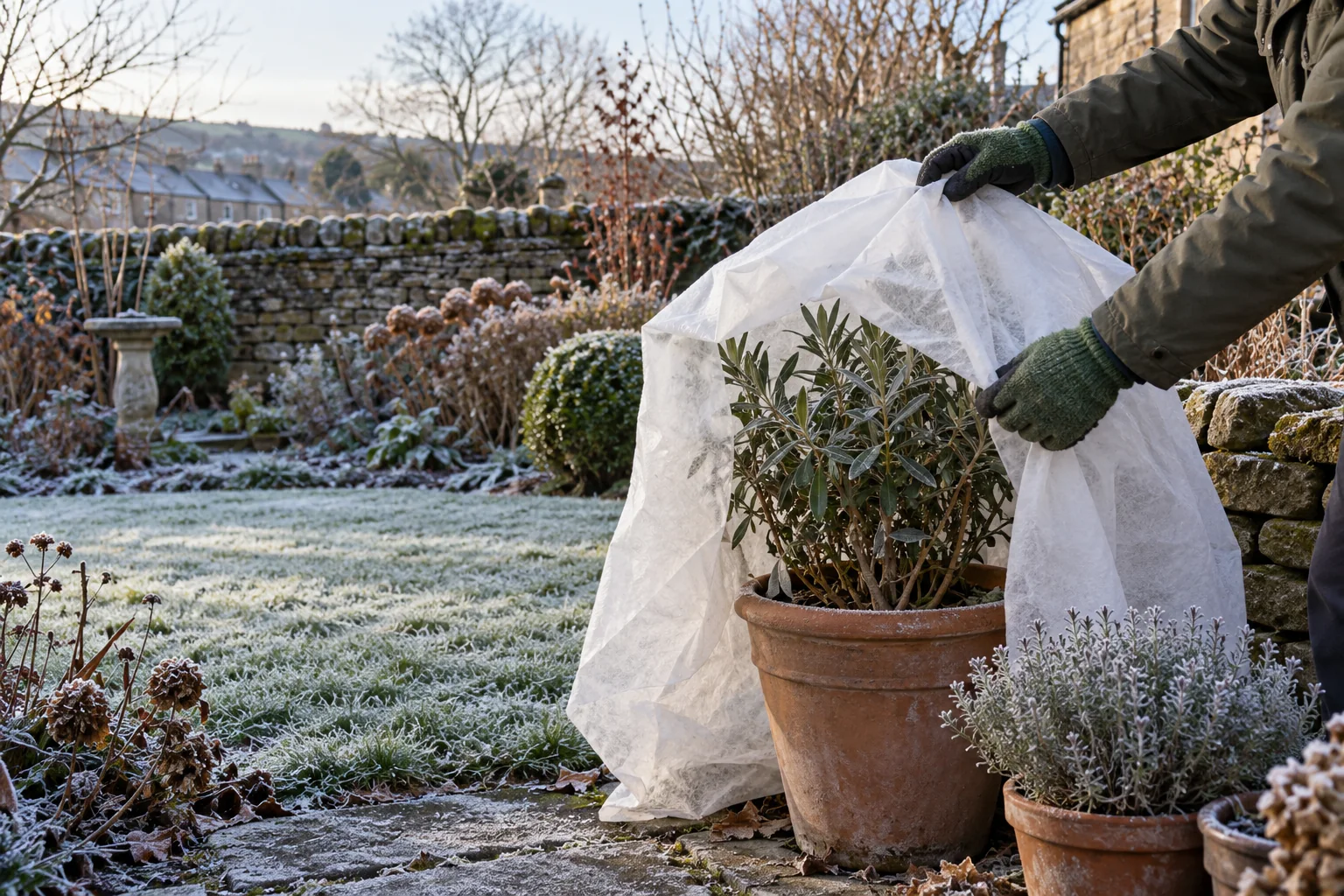
As frost approaches, gardeners must act quickly to protect their plants. With temperatures possibly dropping in October, it’s important to monitor local weather forecasts for sudden changes. Covering delicate plants with blankets or horticultural fleece, moving potted plants to sheltered areas, and adding a thick layer of mulch can help plants survive the cold. By identifying vulnerable plants early and taking these protective steps, gardeners protect their greenery and build community among fellow gardening enthusiasts facing frost season.
Understanding First Frost Timing
As autumn sets in, knowing when frost may hit your garden is important. The first frosts in the UK can be unpredictable; they might arrive as early as October or take longer, depending on your location. It’s essential to pay attention to local weather reports indicating overnight temperatures near freezing. A clear night often brings a sudden drop in temperature after sunset, a reality many gardeners know! While hardy plants usually withstand colder conditions, tender varieties and potted plants need extra care as temperatures fall. Monitor forecasts predicting cold spells and prepare protective measures ahead of time instead of waiting until frost covers your flowers, this proactive approach supports plant health and provides peace of mind during this changing season.
Identifying Vulnerable Plants
As temperatures drop, identify which plants in your garden are most at risk for frost damage. Tender perennials, young seedlings, and container plants require extra care because they lack the protective insulation of ground soil. Pay attention to half-hardy annuals and sensitive herbs like basil or cilantro; these struggle during frosty nights. Citrus trees are also vulnerable due to their tender leaves, which can be damaged by ice.
Consider Exposure
Don’t just focus on these specific plants, consider other factors as well. Plants in open areas face tougher conditions than those sheltered by walls or larger shrubs.
Take Action Early
Be proactive: determine which plants need help before winter sets in. This way, you can implement effective protection measures so your favorite plants survive the cold and thrive in spring.
The Pros & Cons of Frost Protection Strategies
Pros
-
Protecting delicate plants helps lower the chances of frost damage.
-
Horticultural fleece provides insulation while allowing air and moisture to flow through.
-
Placing potted plants in sheltered spots reduces their exposure to cold temperatures.
-
Adding mulch around plants insulates the soil and keeps moisture in.
-
Preparing early based on local weather forecasts ensures you can protect your plants on time.
-
Evaluating each plant's specific needs leads to better and more effective frost protection.
Cons
-
Using multiple protection strategies can take a lot of time and effort.
-
Some protective materials might not offer enough coverage or insulation if you don’t use them correctly.
-
Overprotecting tough plants can cause issues with their growth and health when conditions are milder.
-
Temporary coverings may need regular adjustments as the weather changes frequently.
-
If you insulate pots incorrectly, it can trap too much moisture, resulting in root rot.
-
Relying only on calendar dates for frost timing could lead to missed chances for protection.
Moving and Insulating Containers
As you prepare to protect your plants, moving and insulating containers is key to preventing frost damage. Start by shifting potted plants to sheltered areas, this change can significantly shield them from harsh winds and cold temperatures. If possible, place them in greenhouses or on porches where they’re less exposed to the elements. Container-grown plants are especially at risk since their roots lack the insulation of garden soil; grouping pots near walls can help keep them warmer.
Raising pots off cold surfaces like concrete helps maintain root temperature, so consider using pot feet or bricks for support. For delicate plants, wrapping pots with bubble wrap creates a barrier against the cold while allowing drainage at the top to avoid waterlogging, a common winter issue. Temporary coverings like blankets can be useful on very cold nights; just ensure they’re not tightly wrapped around foliage that needs air circulation. By taking these steps now, you’re building a solid foundation for your garden’s health come spring while connecting with fellow gardeners facing similar challenges this frosty season.
Moving Your Plants
Start by relocating potted plants to more sheltered spots, this simple act can make all the difference against biting winds and frigid temperatures.
Insulating Containers
If possible, tuck them away in greenhouses or porches where they’ll be shielded from harsh conditions.
Grouping Pots Together
Keep in mind that container-grown varieties are particularly vulnerable because their roots lack natural insulation found in garden soil; thus it’s wise to group pots together near walls for added warmth.
Elevating Pots
Elevating pots off cold surfaces like concrete can also help maintain root temperature, so consider using pot feet or bricks for support.
Wrapping Pots
For those extra-sensitive specimens, wrapping pots with bubble wrap provides an effective barrier against chill while allowing drainage at the top to prevent waterlogging, a common pitfall during winter months.
Temporary Coverings
You may even find temporary coverings like blankets useful on especially chilly nights; just ensure they’re not tightly wound around foliage which needs air circulation too!
By taking these proactive steps now, you’re nurturing a robust foundation for your garden’s health come springtime while fostering community spirit among fellow gardeners who share similar challenges during this frosty season ahead.
Using Horticultural Fleece Effectively
Horticultural fleece is a tool for protecting plants from frost. This lightweight, breathable material insulates delicate plants while allowing air and moisture to flow through. When temperatures drop, drape the fleece loosely over vulnerable plants, avoid wrapping it tightly around leaves to allow breathing. Secure the edges at the base to keep cold winds out, but remove it during warmer daytime hours; excess warmth can cause humidity buildup and stress for plants.
If horticultural fleece is unavailable, other options can shield against unexpected frosts. An old blanket or sheet provides quick overnight protection when temperatures fall. Plant cloches or upside-down pots can also work, ensure these covers don’t press down on fragile leaves. Whatever option you choose, ensure there’s enough airflow so plants won’t suffocate under layers of fabric or cardboard boxes left unattended during milder days. By staying alert and being creative in protecting tender plants this season, gardeners can help them thrive and connect with fellow enthusiasts facing similar challenges!
Essential Frost Protection Strategies for Your Garden
| Protective Measure | Description | Best Practices | Notes |
|---|---|---|---|
| Horticultural Fleece | Creates insulation while allowing air and moisture to circulate. | Drape loosely over plants; secure at the base against winds. | Heavier grades provide about 2°C of frost protection. |
| Insulating Material for Pots | Wrapping pots with bubble wrap or other materials can help protect roots from cold. | Leave top and drainage holes clear for excess water. | Bubble wrap is preferred around containers rather than foliage. |
| Mulching | Applying a layer of organic material (e.g., well-rotted compost, bark) to insulate soil. | Apply at least 5cm thick; leave space around stems and trunks. | Helps improve plant growth and suppress weeds. |
| Temporary Coverings | Options include old blankets, sheets, cloches, or cardboard boxes for short-term protection. | Ensure coverings do not rest heavily on foliage. | Cardboard is not weatherproof long-term and should be removed during the day. |
| Shelter for Potted Plants | Moving container-grown plants to sheltered areas before severe cold sets in. | Use greenhouses, conservatories, or garages with light. | Grouping pots together can provide additional protection. |
| Drainage and Water Protection | Disconnect hoses and drain outdoor taps to prevent freezing damage. | Check ponds to avoid complete ice coverage that blocks gas exchange. | Regular maintenance helps protect outdoor water systems. |
Mulching for Root Protection
As frost season approaches, mulching becomes essential for protecting plant roots. A layer of mulch acts as a thermal blanket, maintaining steady soil temperatures and insulating against cold snaps. Aim for at least 5cm (2 inches) in thickness using organic materials like well-rotted compost or bark chips; these not only provide warmth but also improve soil quality as they decompose. Leave space around plant stems to prevent rot, this balance is crucial!
Benefits of Mulching
Mulch serves multiple purposes: it retains moisture in the soil and prevents weeds from competing with plants for nutrients. This is especially beneficial in autumn when temperatures drop, protecting tender root systems and supporting stronger growth in spring.
As you spread this protective layer throughout your garden beds, consider how each action contributes to individual plant health and strengthens the gardening community by promoting responsible care of nature’s resources.
Autumn Planting Before Frost
As you consider your autumn planting strategy, use the season’s cool temperatures and moist soil to establish new plants before frost. Autumn is ideal for planting hardy varieties, like spring-flowering bulbs like daffodils and tulips, as they benefit from early root establishment. You can continue planting until the ground hardens or becomes too wet; timing will depend on local conditions. Trees, shrubs, and some perennials also thrive when planted during this time. Newly planted specimens may require extra care through their first winter, especially if they are young or in exposed spots.
Vegetables Sensitive to Frost
For vegetables like celery that cannot handle frost, since they might bolt in chilly weather, timing is crucial. Plant these sensitive crops only after all chances of frost have passed in your area, usually by late May or June, and gradually acclimate them before exposing them to outdoor conditions. As autumn turns colder, protect vulnerable plants with cloches or horticultural fleece if needed; these steps boost survival rates and foster knowledge sharing within the gardening community.
Frost Facts and Myths Unveiled for Gardeners
-
Many gardeners think the first frost date is the same everywhere in the UK, but it changes based on location, climate, and autumn weather. It's important to check local forecasts instead of just looking at a calendar.
-
There's a belief that all plants need protection from frost; yet, many established hardy plants can handle typical autumn and winter conditions. The focus should be on vulnerable plants and containers.
-
People often assume you’ll see frost damage right away, but many plants might not show signs of injury until days after freezing temperatures hit. Leaves can become limp or discolored over time.
-
Many believe horticultural fleece only works if tightly wrapped around plants; yet, it should be draped loosely to let air and moisture circulate while keeping them warm.
-
Some gardeners assume they must stop planting once autumn arrives, but fall is actually a great time for planting many hardy species, as long as ground conditions are good enough for them to establish before spring growth.
Protecting Lawns and Water Systems
As autumn sets in, care for your lawn and water systems to prepare for chilly nights. Start by disconnecting hoses and draining outdoor taps; this prevents frozen pipes and costly repairs. If you have a pond or other water features, monitor for ice formation, as it can trap harmful gases. Keep part of your pond open during winter to maintain oxygen levels.
Your lawn also needs attention as frost arrives. Stay off frosted grass; the delicate blades can break easily. Regularly rake up fallen leaves to prevent smothering the grass and creating damp spots that encourage disease. Instead of discarding leaves, consider making leaf mold to enrich your soil later. By taking these steps now, you protect individual plants and create a thriving environment for your garden come spring.
Recognizing Frost Damage Signs
Frost damage can leave your garden looking dull. It is essential to spot signs of frost affecting your plants. Check for limp or discolored leaves, which often indicate cold injury. New shoots may have blackened edges, and flowers may lose vibrancy after a freeze. Some plants take days to show the impact of sudden temperature drops.
Hardy Specimens
Even tough plants aren’t safe; those in exposed spots can suffer more than similar ones sheltered by walls or larger shrubs. Watch for unusual changes in your plants after chilly nights, these early signs help identify which ones need extra attention as winter approaches. Understanding these indicators empowers you as a gardener, allowing you to act quickly and adapt care strategies for both new growth and established plants during this cold season.
Thriving Through Frost Season
Now that you’ve protected your plants from frost, focus on thriving during the cold months. Your garden can remain productive even when temperatures drop; resilience is key. Start by monitoring local weather forecasts to prepare for chilly nights. Knowing which plants can survive winter allows you to care for delicate plants while checking on hardier ones.
As winter arrives, consider practical tips like grouping pots together or placing them near warm walls; every bit of warmth helps. Also, monitor soil moisture levels throughout winter, it’s easy to forget watering needs in the cold. Regularly check sheltered beds and containers, they may need water even if it hasn’t rained much.
Community Engagement
share experiences with fellow gardening enthusiasts through community events or online forums, the shared knowledge will enhance everyone’s understanding of what works best in tough conditions. By collaborating and supporting one another, individual gardens thrive, and friendships within our shared interest grow stronger. Embrace this season as a chance, not just a challenge, to learn from each other while ensuring your favorite plants have everything they need until spring returns!
FAQ
What plants are most vulnerable to frost and need protection?
Tender plants, young seedlings, container-grown plants, half-hardy annuals and perennials, tender herbs, vegetables, and citrus trees are at high risk for frost damage and need protection.
When should I start preparing my garden for frost?
Gardeners should prepare for frost when overnight temperatures approach 0 degrees Celsius, focusing on the weather rather than a specific calendar date.
How can I effectively use horticultural fleece to protect my plants?
Horticultural fleece protects delicate plants by allowing air and moisture flow while insulating them from cold; secure it loosely at the base and remove on warmer days.
What steps should I take to prepare my outdoor water systems before winter?
Disconnect hoses and drain outdoor taps and irrigation systems to prevent freezing and damage during winter.