
Strategies for Efficient Leaf Management in Your Garden
Key Takeaways
- Handling fallen leaves is essential for improving soil health and encouraging biodiversity in gardens.
- Eco-friendly methods like mulching and composting turn leaves into resources that enrich the garden and reduce waste.
- Readers should evaluate their garden’s needs for customized leaf management to enhance beauty and sustainability year-round.
Understanding Leaf Management Importance
Managing fallen leaves is essential for maintaining a healthy garden, as it impacts the well-being of your lawn and plants. A thick layer of leaves can block sunlight and air, weakening grass and making it vulnerable to diseases or pests. Timely leaf management helps keep your outdoor space vibrant throughout the seasons.
Timing and Techniques
Knowing when and how to address leaf build-up allows you to create effective strategies for different areas in your garden. Raking may be necessary in formal gardens with many leaves, while mulching may be more efficient on healthy lawns when time is limited. Evaluating the amount and condition of fallen leaves, understanding the differences between oak and maple trees, can greatly influence their decomposition rate.
Ecological Considerations
Consider the environmental benefits of careful leaf management. Leaving some foliage maintains soil nutrition and supports habitats for beneficial wildlife like insects and birds during winter. This balanced approach not only enhances visual appeal but also encourages biodiversity, a crucial element of sustainable gardening practices.
Methods for Raking and Removal
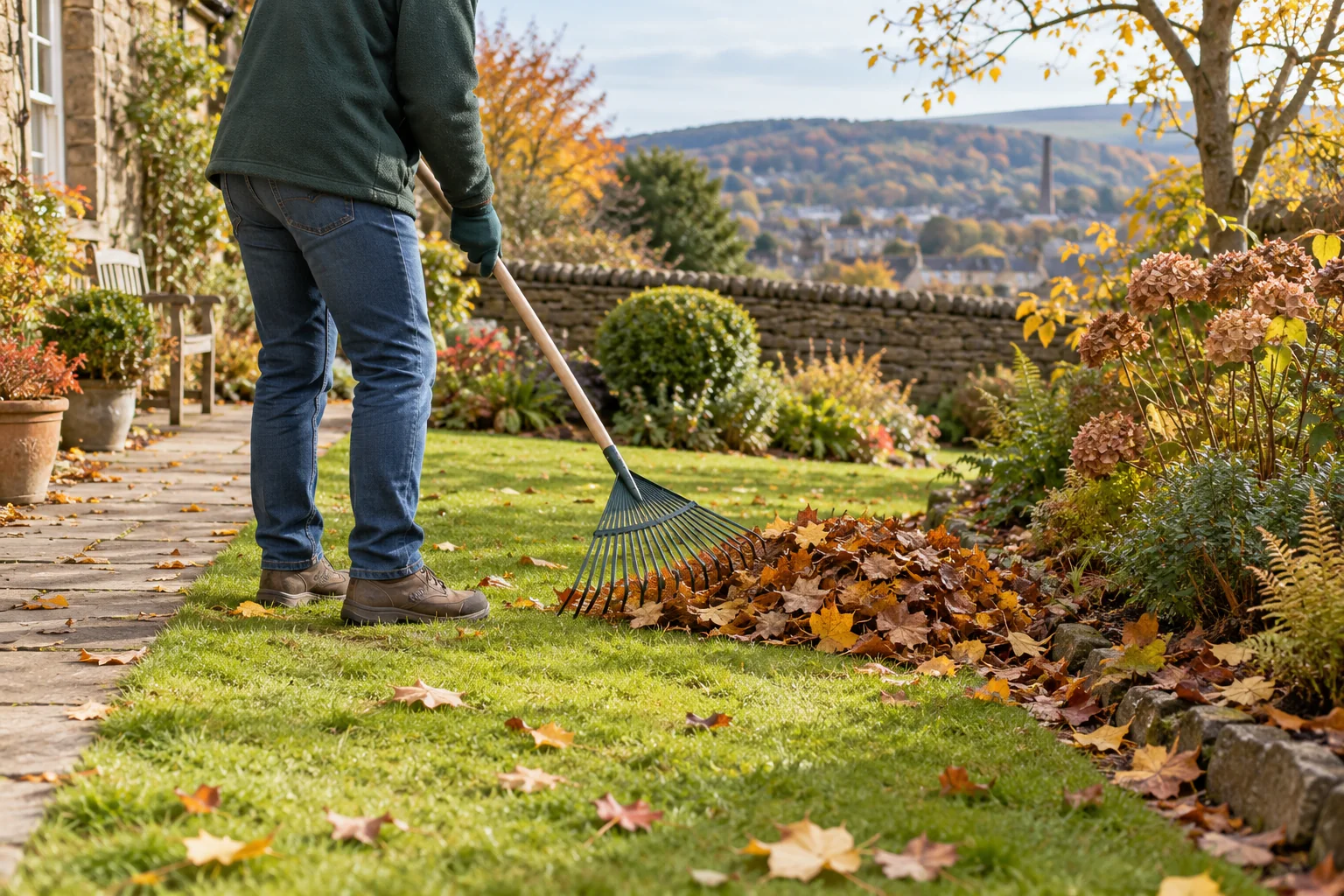
Taking control of leaf management provides options to suit your garden’s needs. When faced with many leaves, traditional raking effectively keeps things tidy and protects your lawn from damage caused by thick layers. This method involves gathering leaves systematically, starting at the edges and working inward, which helps maintain healthy grass underneath.
If time is limited or dealing with moderate leaf fall in well-kept lawns, consider mulching. Mowing over fallen leaves turns them into small pieces that break down quickly, enriching your soil with minimal effort.
Assessing Conditions
Evaluate conditions across different areas of your garden and the types of leaves present to make informed choices between methods. If there’s heavy accumulation, address it immediately; otherwise, it can block sunlight needed by grass and create slipping hazards on pathways or patios. Light scatterings may be fine to leave alone in some borders as they will naturally decompose over winter, returning nutrients to the earth and supporting local wildlife during colder months.
By using targeted strategies based on context rather than adhering rigidly to one approach for all areas, you’ll foster a healthier ecosystem in your outdoor space.
The Pros & Cons of Leaf Management Techniques
Pros
-
Raking and removing leaves clears away thick layers, protecting your lawn and hard surfaces from damage.
-
Mowing or mulching quickly returns nutrients to the soil by chopping up leaves into smaller pieces.
-
Composting turns leaves into organic material that improves soil quality over time.
-
Leaf mould serves as a helpful mulch that keeps moisture in and supports healthy soil.
-
Leaving some leaves where they fall creates habitats for wildlife and enhances ecosystem diversity.
-
A mixed approach lets you manage different areas of your garden based on their specific needs.
Cons
-
Raking takes a lot of work and can take away useful organic matter from your garden.
-
Mowing might make the area look messy at first, especially if there’s too much coverage.
-
Composting needs space, time, and some care to prevent attracting pests.
-
Leaf mould takes 1–2 years or longer to break down completely before it starts helping your plants.
-
Keeping leaf litter can give your garden a less tidy appearance.
-
Handling diseased plant leaves incorrectly could spread infections throughout the garden.
Mulching Leaves with a Mower
Mulching leaves with a mower helps maintain a healthy garden, especially when short on time and dealing with moderate leaf coverage. This method returns nutrients to the soil while eliminating the need for raking. Mowing fallen leaves chops them into small pieces that break down quickly and integrate into your lawn’s ecosystem. This technique works best with dry leaves; wet or matted foliage can be difficult to mulch and may create a mess.
Mower Height Adjustment
When using this method, raise your mower height above normal to prevent scalping the grass and manage leaves. It may take some trial and error at first; don’t be discouraged if it looks messy initially. The benefits will become apparent soon: nutrient-rich mulch forms right on your lawn without extra work later.
Benefits Beyond Soil Health
to improving soil health through decomposition, shredded leaves serve various purposes in your garden. You can leave chopped material where it falls or gather it for use around trees and shrubs as protective ground cover during winter or add it directly to compost bins for future gardening projects. By adopting techniques like mowing instead of traditional raking across different parts of your landscape, you’ll achieve beauty and sustainability year-round.
Composting Fallen Leaves Effectively
Composting fallen leaves is an effective way to utilize their benefits while reducing waste. Gather leaves as valuable organic material that can enhance your soil. Adding dried leaves to a compost bin allows them to break down into nutrient-rich compost, improving garden health in future seasons. To accelerate this process, mix shredded leaves with green materials like kitchen scraps or grass clippings to balance carbon and nitrogen levels for better microbial activity.
Different types of leaves decompose at different rates, oak leaves take longer due to their toughness compared to lighter maple varieties. If you have many oak or other slow-decomposing leaves, shredding them before adding to your compost will help them break down faster and improve air circulation. Monitor moisture levels; excess water can create anaerobic conditions in the compost, leading to unpleasant odors.
Leaf Mold
If you have space, consider setting aside some collected leaves for making leaf mold, a simple process where you pile moist leaves in an area to decompose naturally over one or two years without frequent turning. Once fully decomposed, leaf mold serves as an excellent soil amendment, improving water retention and supporting beneficial organisms in your garden ecosystem! By using traditional composting methods alongside innovative techniques like creating leaf mold in designated sections of your yard, you’ll demonstrate practicality and sustainability.
Top Techniques for Leaf Control Efficiency
| Leaf Management Technique | Best For | Advantages | Disadvantages | Timing Considerations | Tools Needed |
|---|---|---|---|---|---|
| Raking | Heavy leaf accumulation | Produces a clean appearance; prevents fungal issues | Labor-intensive; removes organic matter | Wait until most leaves have dropped | Garden rake |
| Mulching | Moderate leaf coverage | Saves time; returns nutrients to lawn | Lawn may look messy initially | Mow when leaves are dry | Mower |
| Composting | Moderate to heavy leaf fall | Provides organic material for soil amendment | Requires space and management; may attract pests | Allow leaves to dry before composting | Compost bin |
| Leaf Mould | Long-term storage of leaves | Nutritious mulch; improves soil structure | Takes 1-2 years to break down | Keep leaves moist; make air holes in bags | Bags or piles |
| Leaving in Borders | Light leaf coverage | Supports wildlife; returns nutrients to soil | May cover smaller plants if too thick | Generally left over winter | None needed |
| Sweeping | Hard surfaces | Prevents slipping hazards; easy to manage | Less effective on uneven terrain | Regular maintenance during leaf drop season | Broom |
Tools for Efficient Leaf Collection
Choosing the right tools for efficient leaf collection can improve your gardening experience. Start with a garden rake, an effective and low-cost option for lawns. Choose a flat-tined plastic or rubber rake that won’t harm grass; begin at the edges of your lawn and work inward to create tidy piles of leaves. For heavy accumulations, consider using a leaf blower or vacuum, these devices quickly move large amounts into manageable heaps, but be aware that gas-powered models contribute to greenhouse emissions. For quieter methods, electric lawn rakes collect leaves while removing thatch from your lawn.
Hand Collection
If you’re tackling delicate areas like flower beds or gravel paths, hand collection with gloves or special brooms helps prevent damage to valuable plants. A twig broom works well on flowerbeds without disturbing fragile roots! By combining these tools based on each area’s needs, whether handling thick layers on hard surfaces or light scatterings in borders, you’ll streamline your efforts while keeping safety and aesthetics in mind during autumn cleanup.
Mixed Approach
Efficiency doesn’t stop at picking just one method; using a mix of approaches tailored to different sections allows you to manage fallen leaves better and take advantage of their potential benefits as mulch or compost material later. Assess what suits your property best and embrace innovative techniques alongside traditional ones this season!
Timing and Conditions for Leaf Cleanup
Timing leaf cleanup is important for garden health. The best approach depends on the types of leaves and weather conditions. Oak leaves are tough and take a long time to break down; managing them carefully prevents mat formation that can choke grass. Ideally, finish this task before the first hard freeze, usually between late October and mid-November, when frozen leaves become brittle and harder to manage.
Assessing Fallen Foliage
When checking fallen leaves in your garden, consider both their depth and type. Thick layers need quick attention because they block sunlight crucial for lawn health or make pathways slippery. Lighter piles can often be left alone in borders where they will naturally decompose over winter, enhancing the soil below. By adjusting your timing based on specific conditions rather than following a one-size-fits-all approach, you’ll help create a healthier ecosystem and maintain an inviting space year-round.
Leaf Management Secrets Unveiled in Gardens
-
Fallen leaves can be reused as mulch, compost, or leaf mould, supporting soil life and wildlife.
-
Leaving leaves on lawns can block sunlight and air circulation, suffocating grass and leading to fungal diseases.
-
Leaf blowers can disturb wildlife and add to environmental pollution due to fuel emissions.
-
Mowing or mulching breaks down leaves quickly, returning nutrients to the lawn while saving time.
-
Oak leaves take longer to decompose than maple leaves, which break down faster.
Reusing Leaves for Soil Improvement
Fallen leaves can be valuable resources that improve soil health. By reusing leaves as mulch or composting them, you enhance your outdoor space and reduce waste. Shredded leaves around plants act as insulation in winter and break down to enrich the soil, promoting healthy plant growth in spring. When mixed into a compost bin with green materials like vegetable scraps, leaves help create nutrient-rich compost that revitalizes your garden. This process boosts fertility while encouraging sustainable practices by reducing dependence on synthetic fertilizers.
Leaf Mold
Another way to recycle fallen leaves is by making leaf mold. Gather damp leaves in a spot where they can decompose naturally over one to two years without frequent turning; this will result in an excellent organic amendment once fully broken down. Leaf mold enhances water retention and provides habitat for beneficial organisms essential for soil health. As you consider ways to repurpose leaves throughout your yard, remember: each method contributes to both beauty and sustainability in your gardening space.
Embrace Sustainable Leaf Practices
Sustainable leaf practices show your dedication to caring for your garden and the environment. By using strategies that fit specific conditions, you can manage leaves while supporting ecological health. Leave some leaves in borders or around perennials. This enriches the soil as the leaves break down and provides habitats for insects and wildlife during winter. These actions promote biodiversity and improve your outdoor space.
Assessing Your Garden
When dealing with fallen leaves, stay flexible. Examine each part of your garden separately, what works on a lawn might not be suitable for flower beds or paths where safety is crucial due to slick surfaces. Use techniques like mulching with mowers in open spaces but reserve raking for densely packed areas that need immediate care. Your goal isn’t just neatness; it’s about building resilience within your ecosystem by integrating organic matter back into the soil cycle throughout all seasons.
FAQ
What are the main reasons I need to manage fallen leaves in my garden?
Managing fallen leaves prevents lawn damage, ensures safe pathways, supports wildlife, and allows for reusing organic material to enrich the soil.
How do I decide which leaf management method is best for my lawn and garden?
Assess the leaf accumulation, moisture levels, plant needs, local conditions, and wildlife support to effectively manage leaves in your lawn and garden.
What tools should I use for collecting leaves from different surfaces?
Use a flat plastic or rubber rake for lawns, a spring-tine fan rake or broom for gravel, and consider leaf grabbers or blowers for quick cleanup on larger properties.
How can I reuse collected leaves to benefit my garden's health?
Gathered leaves can be used as mulch to protect plants from winter cold, enhance soil fertility, and promote beneficial organisms.
What precautions should I take when dealing with diseased plants or specific leaf types?
Remove affected leaves from diseased plants to prevent disease spread, keep walnut leaves separate due to growth-inhibiting compounds, and allow wet leaves to dry before mulching or composting.
When is the best time to complete my leaf management tasks before winter?
The best time for leaf management before winter is typically before the first hard freeze, occurring between late October and mid-November.