
When Can You Mow After Lawn Treatment?
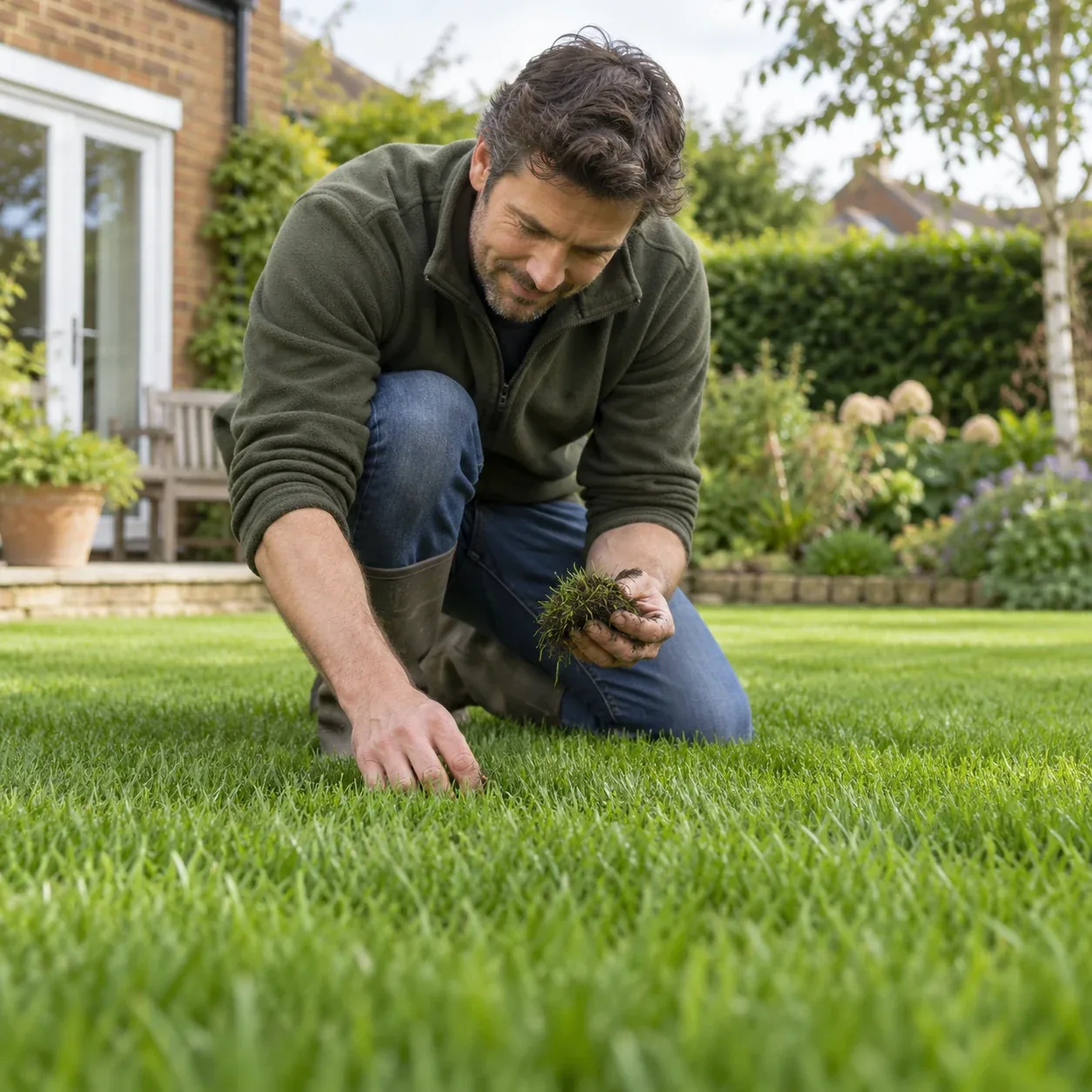
Homeowners should wait three to four days after most treatments before mowing their lawn. This allows nutrients and chemicals to soak into the soil and grass. It’s especially important for herbicides, as longer blades help absorb these products, effectively targeting stubborn weeds. Specific product instructions may differ, so check those guidelines for the best results. By being patient and monitoring their lawn’s condition, homeowners can create a lush outdoor space while maximizing their care efforts.
General Waiting Period After Treatment
After a lawn treatment, the waiting period before mowing varies based on the treatment type and your lawn’s condition. Generally, wait about three to four days after most treatments to allow nutrients or chemicals to soak into the soil and grass blades. If you’ve treated an area for weeds, avoid mowing too soon; longer grass enhances herbicide effectiveness.
If your grass is long but healthy with few weeds, consider cutting it down before applying treatments, trim only one-third of its height at a time for optimal health. Always check specific guidelines with each product for important advice to achieve the best results.
Fertiliser and Granular Feed Timing
After applying fertilizer or granular feed, timing your mowing is essential for the best results. Wait about three to four days before cutting the grass. This allows the granules time to dissolve and mix into the soil, helping nutrients reach the roots instead of being removed with clippings.
If you need to mow right away, watering beforehand can help; this activates the granules and reduces the likelihood of them being cut away. Watch for any visible remnants of fertilizer on the blades, if granules are still on your lawn, it’s better not to mow yet.
Weather Considerations
Remember that weather also plays a role: after heavy rainfall, treatments may require extra time since too much moisture could wash away crucial nutrients or dilute their effectiveness if mowed too soon. Be aware of these factors to achieve healthy growth without compromising treatment efficacy.
The Pros & Cons of Mowing After Lawn Treatment
Pros
-
Giving enough time after treatment boosts how well herbicides and fertilizers work.
-
Waiting helps prevent damage to grass or treatments from mowing too soon.
-
Sticking to suggested intervals supports the best lawn health and growth.
-
Watching lawn conditions after treatment can show when it's ready for mowing.
-
Following guidelines lowers the chance of weeds coming back or treatments not working as planned.
-
Planning treatments with a gap before regular mowing makes managing your lawn easier.
Cons
-
Conflicting recommendations about how long to wait can confuse homeowners.
-
Inconsistent growth patterns may mean you need to mow more often after fertilization.
-
Weather conditions, like rain, can make it tricky to time your mowing after treatment.
-
Long waits might cause the grass to grow too tall, leading to bigger cuts later on.
-
Unclear information on specific treatments could lead to improper care practices.
-
You may experience delays in achieving the lawn look you want due to longer waiting times.
Herbicide and Weed-control Timing
When using herbicides, timing is crucial. After application, wait three to four days before mowing your lawn. This allows the chemicals to be absorbed by the weeds effectively. Mowing too soon can cut off leaves essential for absorbing herbicides, reducing their effectiveness and leaving stubborn weeds.
If your lawn is filled with weeds, consider the extent of the problem. If your grass is overgrown but healthy, with only a few unwanted plants, trim it slightly before applying weed control. Cutting no more than one-third of its height will help maintain health while allowing the weed treatment to take effect, helping achieve a lush green look.
Fungicide Mowing Restrictions
After applying fungicide treatments, wait at least four days before mowing your lawn. This allows the chemicals to soak in and effectively address fungal issues. Mowing too soon may disrupt this process by cutting through areas that haven’t fully absorbed the treatment.
Consider Specific Conditions
Along with following general timing guidelines, pay attention to specific conditions on your property. If treating diseases like red thread or dollar spot with fungicides, taking those extra few days can enhance disease management and support grass recovery. Monitor your lawn during this waiting period; healthy growth may indicate it’s time for maintenance after sufficient waiting. Patience now will lead to a vibrant, resilient lawn free from fungus later!
Mowing Timelines Post Lawn Treatment
| Treatment Type | Recommended Waiting Period After Treatment | Additional Notes |
|---|---|---|
| Regular Treatments | 3–4 days | Avoid mowing for at least three days on either side of treatment in good lawn condition. |
| Fertiliser Treatments | 1-4 days | Granular fertilisers need time to break down; mowing too soon may collect fertiliser with clippings. |
| Herbicides and Weed Killers | 2-4 days | Allow chemicals to absorb into weeds before mowing; cutting too soon can reduce effectiveness. |
| Fungicide Treatments | 3 days before and 4 days after | Important to give fungicides time to work into the grass. |
| Aeration | No specific waiting period | Lawn can be mowed the same day if necessary, but long grass may complicate core removal. |
| Scarification | At least 2 weeks | Aggressive treatment; lawn may not need mowing for some time post-scarification. |
| Overseeding | Varies (may be months) | Grass needs time to establish; mowing is not a priority while young. |
| New Lawns | As long as possible | First cut should be on the highest setting when grass is strong enough. |
Aeration and Mowing Requirements
When it comes to aeration, mowing needs differ from other treatments. After hollow tine or solid tine aeration, you can mow your lawn the same day if necessary. Many providers suggest cutting the grass beforehand to ease core removal, tall grass complicates this process. If combining aeration with granular fertilization, follow the recommendations for fertilizer timing.
Scarification and Overseeding
On the other hand, after scarifying or overseeding your lawn, you must change your mowing approach. After scarification, a method that removes thatch and supports healthy growth, it’s best to wait at least two weeks before cutting the grass. This allows your lawn time to recover and reduces stress on newly exposed soil areas where roots are re-establishing. For overseeding, patience is more crucial; freshly seeded grass requires ample time for establishment before mowing again, sometimes several months depending on growing conditions and seed type used in your repair efforts!
Scarification and Overseeding Recovery
After scarification and overseeding, allowing your lawn time to recover is crucial for healthy regrowth. Avoid mowing immediately after these treatments; let your grass heal. After scarification, wait at least two weeks before mowing so the newly exposed soil can recover and reduce stress on the roots as they re-establish. This intensive treatment can leave your lawn vulnerable if disturbed too soon.
Overseeding
When it comes to overseeding, patience is key. Newly seeded grass needs a longer establishment phase, usually several months depending on seed type and climate conditions, before considering cutting it again. During this period, avoid mowing and focus on watering and creating optimal growing conditions for the young seedlings. By managing when you mow, or don’t, you help build a strong foundation for a thriving lawn in the future!
Lawn Treatment Timing: Facts and Myths Unveiled
-
A common myth suggests a universal waiting period for all lawn treatments. In reality, recommended intervals vary based on treatment type, lawn condition, weed presence, and weather.
-
Many believe it's okay to mow right after fertilizing the lawn. Sources recommend waiting about three to four days after applying granular fertilizer for proper breakdown before cutting.
-
Some think they can mow immediately after herbicide application. Experts suggest waiting several days to ensure chemicals are absorbed by weeds for effective control.
-
There's a belief that rain always benefits lawn treatments. While rain can help with fertilizers, heavy rainfall might wash treatments off leaf surfaces or dilute granules; therefore, it’s wise to add an extra day of wait time after significant rain.
-
People often assume it's fine to mow when grass is longer. Guidelines state you shouldn't remove more than one-third of the grass blade in a single cut to avoid harming your lawn, especially if it has grown significantly since the last mowing.
Repairs and New Lawn First Cuts
When repairing or establishing a new lawn, timing the first cut is crucial for healthy regrowth. For newly laid sod, wait until the grass has rooted in the soil, which can take several weeks depending on weather and grass type. The common advice is not to mow until the turf feels stable underfoot; once it does, adjust your mower to its highest setting for that first trim. This minimizes stress and damage while promoting growth.
For fixing spots in an existing lawn, similar rules apply. Don’t cut repaired areas until they reach about one-third of the height of the surrounding grass, which may take up to a month during peak growing times. Focus on proper watering and care so patches can thrive without interruptions from mowing equipment. Patience pays off! Allowing time for recovery ensures a uniform look across your yard, a lush space ready for summer enjoyment!
Weather Considerations for Mowing
Weather plays a key role in deciding when to mow after treating your lawn. As you plan your post-treatment schedule, pay attention to the conditions around your yard. If it has been particularly rainy or you’ve experienced heavy downpours recently, wait longer before mowing. Excess moisture can wash away treatments from grass blades or dilute granular fertilizers that need time to settle into the soil.
Aim for about three to four days of dry weather after most treatments before considering a cut; this timeframe helps ensure nutrients and herbicides are effectively absorbed by the lawn. If you’re dealing with unpredictable weather, frequent rain showers followed by sunny spells, it might be wise to extend this waiting period. Adjusting based on these environmental cues improves treatment effectiveness and creates optimal growth conditions.
Assessing Lawn Readiness to Mow
After waiting the recommended period, check if your lawn is ready for mowing by looking for a few key signs. First, examine the grass color; vibrant green blades indicate healthy growth, while yellowing can signal stress or ineffective treatments.
Feel the soil underfoot, there should be slight give without being too squishy or wet. This firmness suggests it is not overly saturated with water. Look for new shoots as well; consistent sprouting after treatment indicates it’s time to mow.
Don’t rush into cutting just because some days have passed since your last treatment. An extra day may ensure better results from the products used. Adjust your cutting height; keeping grass around 3-4 centimeters maintains health and reduces the risk of scalping, which could affect previous treatments’ effectiveness.
Timing for Optimal Lawn Care
Timing is key to keeping your lawn healthy through the right care practices. After applying treatment, when to mow depends on your grass type and the product used. Generally, wait three to four days after treatment; this allows nutrients or chemicals to settle in and nourish the roots effectively.
If you’ve treated for weeds, don’t rush into mowing, longer blades absorb herbicides better than shorter ones. If your grass has grown long but remains healthy with few weeds, consider trimming before mowing while following guidelines to remove no more than one-third of the grass height at once; this ensures effective treatment without harming your lawn’s health.
Always check product instructions closely, as they may provide specific advice crucial for good results, being patient now can help create that lush green space you want! If you want a patterned finish once regular cutting resumes, the guide to lawn striping explains how to plan the mowing passes.
FAQ
What is the recommended waiting period before mowing after a regular lawn treatment?
Wait **3 to 4 days** after a standard treatment before mowing your lawn to allow the treatment to soak into the soil.
How does the presence of weeds affect when I should mow after treatment?
Wait at least four days after herbicide treatment before mowing to ensure effective absorption by the weeds.
What should I do if my lawn has become very long but has few weeds?
Mow your long lawn before applying lawn care products to ensure effective treatment.
How long should I wait after applying fertilizer before mowing?
Wait **three to four days** after applying fertilizer before mowing to ensure effective breakdown of the granules.
What are the signs that indicate my lawn is ready to be mowed after treatment?
Signs your lawn is ready for mowing after treatment include changed grass color, firm soil, consistent growth, and clear evidence of treatment effectiveness.
How can I safely mow my lawn without damaging it after a treatment?
Wait at least 3 to 4 days after treatment to mow your lawn, ensuring the grass has recovered and the treatment is effective.