
How to Create Lawn Stripes When Mowing
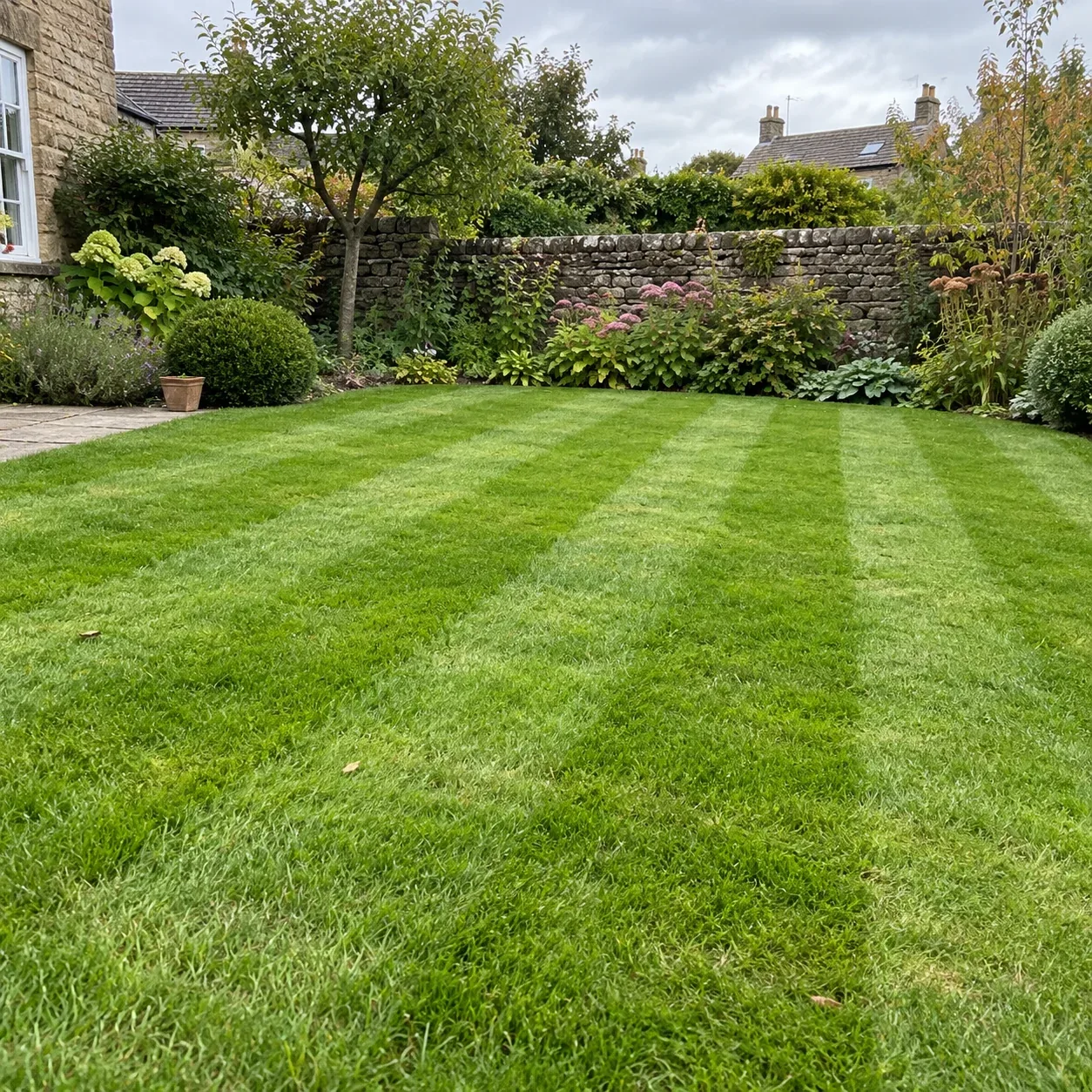
Creating lawn stripes involves skill and understanding, turning grass into an eye-catching feature. By mowing in straight lines and changing directions with each cut, you achieve a neat trim while improving light reflection off the grass blades. A rear-roller mower presses down the grass to form patterns. With planning on mowing routes and attention to cutting height, anyone can achieve bright stripes that enhance their yard’s look. As you practice techniques, from basic straight lines to complex chequered patterns, you’ll develop your skills and enjoyment of this outdoor activity.
Choosing a Rear-roller Mower
Selecting the right rear-roller mower is essential for achieving desired lawn stripes. The roller at the back flattens grass while mowing, improving light reflection off the blades. Without this feature, like that of standard wheeled rotary mowers, creating clear patterns can be difficult.
Options to Consider
Both LawnMaster® and Hayter offer solid choices in their product lines; look for models with strong steel rollers made specifically for striping effects.
Weight Matters
The weight of your mower matters too, heavier models usually make bolder stripes while wider rollers create broader stripe patterns without extra passes. If you want wider stripes but prefer using your current equipment, try mowing adjacent strips for a seamless effect.
Keep it Straight
Remember that keeping straight lines is important; pick a fixed point across the lawn as you move along each row, this technique will help maintain a sharp and aligned appearance!
Planning Straight Mowing Passes
To create eye-catching lawn stripes, planning your mowing passes is key. Start by picturing your lawn layout: if it’s rectangular or square, draw straight lines parallel to one edge. This method simplifies the process and keeps stripe width consistent. As you mow, aim for long runs instead of short back-and-forth movements; this steady approach enhances the striping effect as each pass bends the grass in alternating directions.
Planning Your Passes
When making these passes, consider starting from a corner or the center for larger areas, this helps with navigation and provides a clear reference for future rows. After finishing an initial line, smoothly move into the next by turning at edges without overlapping too much; just enough contact will ensure uniformity while allowing the vibrant stripes to stand out.
Practice Makes Perfect
Keep in mind: practice makes perfect! With time and patience, you’ll improve your technique and enhance your lawn’s appearance before trying more intricate patterns like double-width stripes.
The Pros & Cons of Lawn Striping Techniques
Pros
-
Lawn striping makes your lawn look more appealing by creating nice patterns.
-
A mower with a rear roller gives you consistent and reliable stripes.
-
Heavier mowers tend to create clearer stripes, enhancing the overall look of your lawn.
-
Changing up your mowing direction helps prevent soil compaction and ruts in the ground.
-
Different stripe patterns can help distract from areas of the garden that aren’t as attractive.
-
Keeping up with regular maintenance and using good mowing techniques supports healthy grass growth.
Cons
-
To get quality stripes on your lawn, you need the right tools, like a rear roller mower.
-
Mowing when it's wet or frosty can harm the grass and ruin the striping effect.
-
Keeping straight lines takes practice and some planning ahead.
-
Lawns with odd shapes might be trickier to stripe well.
-
You’ll have to change direction often, which can take time if your lawn is large.
-
Adjusting cutting height regularly based on seasonal changes adds another layer of complexity.
Creating Double-width Stripes
To create double-width stripes, enhance your mowing technique with a few steps. Start by mowing a single stripe straight and clear. Mow another stripe next to the first one in the same direction. As you return along this second pass, change directions for an adjacent line, the roller will compress the grass blades differently, improving the striped appearance. If you’re unsure where to go next, follow your “white line” back to stay oriented.
Visual Impact of Stripes
Once you’ve established those two lines, consider their visual effect, wider stripes add depth and interest to any lawn layout. In a rectangular space or an oddly shaped yard, it becomes easier to visualize these patterns as they come together. Try creating diagonal or checkerboard designs once you’re comfortable; these variations showcase creativity and help hide uneven patches in your garden. By practicing regularly and experimenting with different widths and angles of stripes, you’ll soon transform your outdoor area!
Changing Stripe Patterns
Mixing up stripe patterns gives your lawn a fresh look. Move away from straight lines and try diagonal stripes or chequerboard designs. These patterns enhance visual interest and help conceal uneven grass spots. Changing directions, like switching between horizontal and diagonal, creates an attractive rhythm that draws attention and promotes healthier turf by avoiding ruts.
How to Create Different Patterns
To implement these patterns, start by understanding what your mower can do. Ensure it has a rear roller for effective striping, as this feature helps control how light hits the bent grass blades. Begin with small areas before attempting more complex shapes like diamonds or zigzags. Stay consistent: using similar mowing techniques while changing angles will yield great results over time!
With effort and practice, you’ll master different patterns that improve both the appearance and health of your lawn.
Mastering the Art of Lawn Striping
| Brand/Model | Type | Roller Type | Notable Features | Recommended Use |
|---|---|---|---|---|
| LawnMaster® Cordless Lawn Mower | Electric | Rear Roller | Designed for easy maneuverability and effective striping | General lawn maintenance |
| LawnMaster® Electric Lawn Mower | Electric | Rear Roller | Suitable for various lawn sizes, enhances striping effect | General lawn maintenance |
| Hayter Harrier® Petrol Mowers | Petrol | Steel Rear Roller | Engineered for professional results, available in multiple widths | Professional and entry-level use |
| Rotary Mower | Gas/Electric/Battery | Rear Roller | Versatile options for different lawn conditions | General lawn maintenance |
| Cylinder Mower | Gas/Electric | Rear Roller | Provides a clean cut, ideal for formal lawns | Formal lawn care |
| Rear-Roller Lawnmowers | Various | Rear Roller | Essential for creating visible stripes | General lawn maintenance |
Adjusting Stripe Shade
The shade of lawn stripes affects their appearance, and cutting height is crucial. Lower grass cuts create lighter stripes by exposing more blades to sunlight, increasing contrast. Higher cuts result in darker shades since less light reaches the less flattened blades.
When adjusting heights, consider seasonal changes: during warmer months, proper lengths enhance stripe visibility and promote healthier turf. Make small adjustments gradually, noting how settings impact color and lawn health while ensuring you never cut more than one-third of the grass height per mow. This approach creates attractive visuals and supports strong growth for future mowing sessions.
Adjusting Lawn Stripes
Seasonal Considerations
Tips for Grass Health
Mowing Conditions and Lawn Health
Maintaining optimal mowing conditions is key to achieving lawn stripes while keeping grass healthy. Start by checking moisture levels; slightly damp grass blades bend more easily under the mower’s roller, enhancing the striping effect. Avoid mowing on wet or frosty grass, as it can harm the soil and lawn. Wait for ideal conditions, allowing time for your lawn to dry after rain or frost before cutting. On recently treated lawns, check the product label for mowing restrictions before scheduling a striping session.
Timing Matters
Mowing late in the afternoon allows the grass to recover without harsh midday heat. Regular maintenance should focus on aesthetics and creating a good environment for growth. Address issues like moss in shaded areas promptly: rake out dead patches in autumn and reseed as needed to ensure strong grass ready to display vibrant stripes come summer. These steps will improve both visual appeal and overall yard health.
Lawn Stripes: Facts and Myths Unveiled
-
Lawn stripes occur when a mower’s rear roller bends and flattens the grass in the direction of mowing, causing grass in opposite directions to reflect light differently.
-
To achieve good lawn stripes, use a mower with a rear roller; a wheeled rotary mower without this feature won’t provide effective striping.
-
A heavier mower typically creates more pronounced stripes, and wider rollers produce broader stripes.
-
Changing your mowing direction benefits lawn health by preventing ruts. Mixing straight and diagonal lines improves yard appearance.
-
Mowing conditions are crucial for nice striping results. Avoid mowing wet or frosty grass to prevent turf damage and soil compaction.
Mower Care and Safe Operation
Keeping your mower in good shape is essential for sharp, clean stripes on your lawn. Start by ensuring the blades are sharp; dull blades can rip grass instead of cutting it neatly, making your lawn look uneven and harming the turf. Clean your mower after each use to maintain efficiency, grass clippings can pile up and affect performance. For electric mowers, check that the cord is in good condition; using a residual current device (RCD) adds safety by shutting off power quickly if something goes wrong while mowing. For petrol mowers, store fuel away from direct sunlight and follow safety guidelines when refueling to avoid accidents.
Safety First
Always check important parts like the dead man’s handle, this feature ensures that if you let go while mowing, the machine stops immediately for added security. Wearing sturdy shoes protects your feet in case anything goes wrong as you navigate around obstacles or handle equipment. By focusing on maintenance and safe practices with proper gear adjustments before starting work, you’ll be able to create beautiful stripes confidently!
Mastering Lawn Stripes
Mastering lawn stripes involves understanding how your mower interacts with the grass and light. Use a rear-roller mower, which presses down on the grass blades as you cut. This roller shapes how light reflects off the blades, creating the desired striped look.
As you gain confidence, focus on consistent mowing passes while varying your patterns for visual appeal. Practice on smaller sections before moving to larger areas or complex designs like chequered patterns or diagonal stripes. This gradual approach helps improve your skills without feeling overwhelmed. Each perfected stripe enhances your lawn’s appearance and deepens your appreciation for this activity. Treat every mow as an opportunity to sharpen your skills and transform plain grass into something special!
Tips for Mowing Stripes
1. Use a rear-roller mower.
2. Keep mowing passes consistent.
3. Vary patterns for interest.
Practice Makes Perfect
Start small with simple designs before tackling bigger ones.
Enjoy the Process
Every mow is an opportunity to enhance both skill and lawn aesthetics!
FAQ
How do lawn stripes work, and what creates the optical effect?
Lawn stripes create visual contrast by bending grass in different directions, achieved with a rear-roller mower and long, straight mowing passes while changing direction for adjacent strips.
What type of mower do I need to achieve good-quality lawn stripes?
For quality lawn stripes, use a mower with a rear roller; a wheeled rotary mower without one won’t create effective striping.
How can I create wider stripes using the same mower?
To create wider stripes, mow a second stripe next to the first in the same direction, lifting the mower when returning to avoid flattening the grass.
What are some tips for maintaining my lawn's health while striping?
To maintain a healthy lawn while striping, avoid mowing when wet or frosty, cut no more than one-third of the grass height, and ensure mower blades are clean and sharp.
Why is it important to vary my mowing direction regularly?
Regularly changing your mowing direction promotes a healthy lawn, prevents ruts, and encourages even grass growth.