
How to Cut Long Grass Without Damaging the Lawn
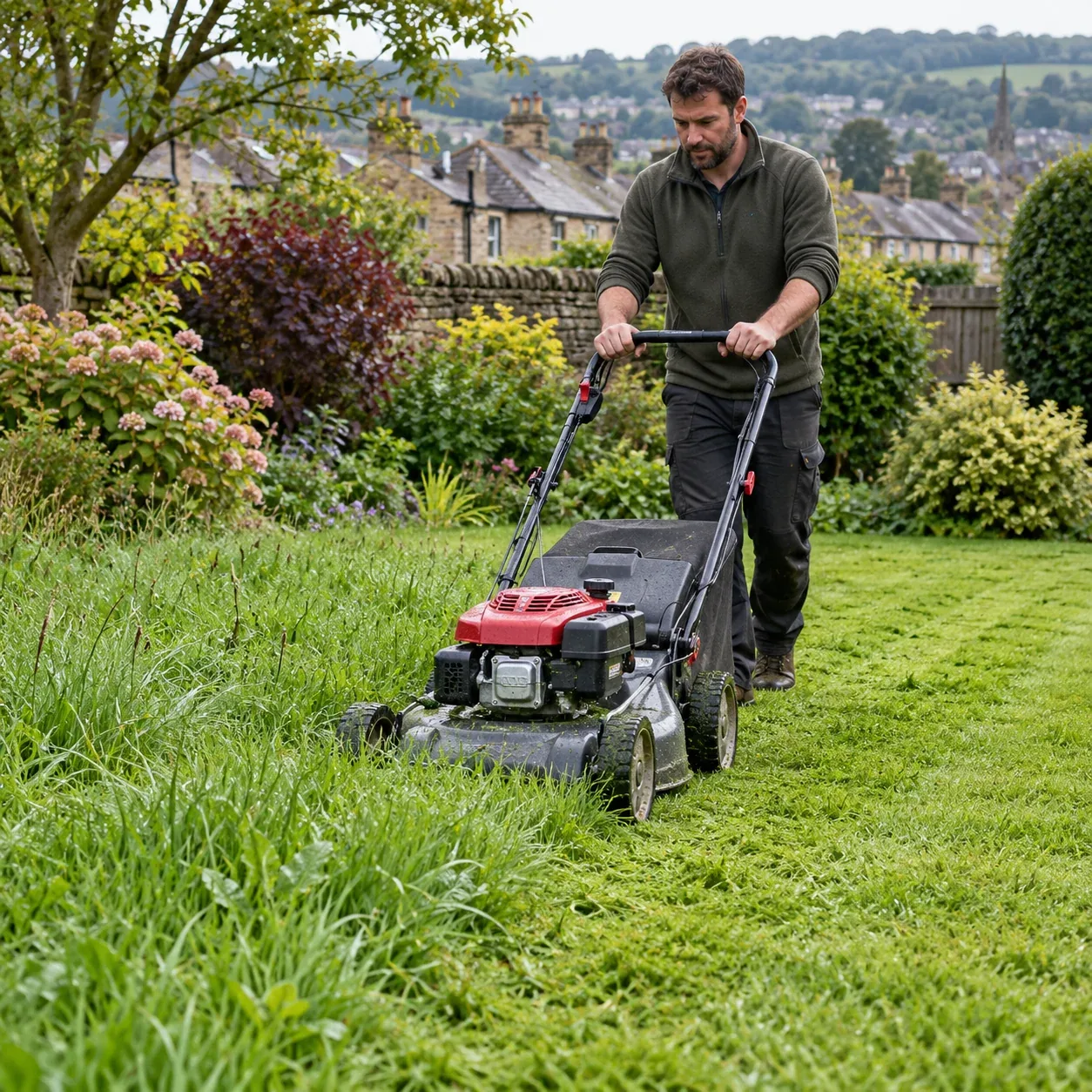
Cutting long grass without harming your lawn is a skill that requires patience. Homeowners can achieve this by raising the mower blades to a higher cutting height, trimming only the top third of the grass blades. This practice encourages healthy regrowth. Using sharp mower blades for clean cuts reduces stress on the turf, and changing mowing directions helps roots grow stronger. By starting with high cuts and gradually lowering the blade in later passes, gardeners can protect their lawns from shock and promote growth. With careful upkeep, a lush green lawn is possible.
Cutting Long Grass in Stages
To manage long grass effectively, use a step-by-step approach. Begin by adjusting your mower to its highest cutting level and trim a small amount of grass each time you mow. This strategy reduces stress on the lawn and promotes healthier growth. Aim to remove no more than one-third of the blade height in each pass, as advised by lawn care experts.
If you encounter tall or uneven patches, use your trimmer for initial touch-ups before mowing. This method allows you to handle thicker areas without overloading your mower. After trimming the taller blades, return with your mower set high again, gradually lower it in subsequent passes until you reach the desired length while maintaining lawn health. Patience is key!
Prepare Your Mower and Blades
Before mowing, prepare your mower and blades. Ensure the blade is sharp and securely attached; a dull or loose blade tears grass instead of cutting it cleanly, leading to brown tips that indicate stress on your lawn. The Royal Horticultural Society emphasizes that well-maintained mower blades are essential for good results. If unsure about the blade’s sharpness, check the cut quality after mowing, ragged edges mean it’s time for sharpening.
Choosing the Right Mower
Selecting a suitable mower based on grass length and thickness helps manage overgrown areas. For dense patches, consider a more powerful model; LawnMaster’s 48V Cordless Lawnmower is designed for tougher jobs. Before mowing tall grass in dense spots, use a trimmer first, the two-tool method reduces bulk without straining your equipment. By following these steps, you’ll enhance both the appearance and health of your lawn.
The Pros & Cons of Gradual Grass Cutting
Pros
-
Cuts down on stress for your lawn by only trimming up to one-third of the grass height at a time.
-
Stops scalping, which can shock the grass and weaken its roots.
-
Gives the grass time to recover between cuts, leading to healthier turf.
-
Keeps a consistent look throughout the mowing process.
-
Reduces clumping and prevents heavy clipping from smothering the grass.
Cons
-
You’ll need to mow multiple times, which can lengthen the time it takes to reach your desired height.
-
You might need extra tools or equipment for trimming before you start mowing.
-
It can require a lot of effort since you'll be making slower, overlapping passes through thick grass.
-
You'll have to keep an eye on mower settings and blade conditions to get the best results.
-
Immediate visual improvement is limited because gradual cutting may take longer to show its effects.
Trim Before Mowing
Before mowing, trim to make the job easier and keep your lawn healthy. Use a grass trimmer for tall or messy patches; this lowers the height without straining your mower. After trimming, mow at a higher setting, this gradual method avoids shock and promotes recovery in your grass. It’s not just about appearance but also long-term health; keep the blade sharp and remove only small amounts of grass each time you cut. Following these steps creates an environment where beauty and strength coexist in your garden!
Make Narrow Overlapping Passes
As you continue mowing, use a careful technique. Make narrow overlapping passes when cutting long grass; this helps manage thick blades without overwhelming your mower. By using half of your mower’s width for each pass, you reduce the amount of grass tackled at once and minimize resistance that can cause an uneven finish. This ensures a consistent cut across your lawn.
Benefits of Narrow Passes
This method improves your lawn’s appearance and prevents clogs in the mower deck and collection chute, issues that arise when handling too much grass at once. Take it slow; rushing through dense patches can compromise quality and stress both you and the machine. Remember: patience is key! Careful mowing with precise overlaps sets you up for successful follow-up sessions where height adjustments can be made, all while keeping your lawn healthy during its transformation process!
Optimal Techniques for Gentle Grass Trimming
| Guideline | Recommendation | Source | Notes |
|---|---|---|---|
| Initial Mowing Height | Start at the highest cutting setting and lower gradually over multiple passes. | LawnMaster, Ryobi | Avoid cutting to final height in one pass. |
| Grass Cutting Limit | Remove no more than one-third of grass height at a time; some sources suggest a maximum of half. | RHS, LawnMaster, Milorganite | The one-third rule is seen as more conservative. |
| Pre-Cutting for Thick Growth | Trim very tall or uneven growth with a grass trimmer before mowing. | LawnMaster, Ryobi | Use tools like Ryobi’s 36V Max Power Cordless Grass Trimmer. |
| Clippings Management | Regularly check and empty the collection bag to prevent clogging. | LawnMaster | Full bags can block chutes and reduce mower efficiency. |
| Equipment Suitability | Use a larger, powerful mower designed for long grass; ensure the blade is sharp and secure. | LawnMaster | Examples include LawnMaster 48V 41cm Cordless Lawnmower. |
| Overlapping Passes | Overlap each pass by using only half the mower’s cutting width to reduce resistance. | LawnMaster, Ryobi | This helps achieve a consistent cut and prevents clogging. |
| Wet Grass Precautions | Avoid mowing when grass is wet or frosty to prevent turf damage and soil compaction. | RHS, LawnMaster | Wait until later in the day for drying. |
| Post-Cutting Maintenance | Maintain regular mowing to keep grass at a consistent length and avoid overgrowth again. | Ryobi | Water during dry spells and scarify to manage thatch. |
| Mulching Considerations | Mulching is acceptable within the one-third rule; otherwise, bag clippings from overgrown lawns. | RHS, Milorganite | Mulching helps return nutrients but should be done cautiously. |
| Safety Measures | Wear appropriate protective gear and check for wildlife before mowing. | RHS | Good footwear and eye protection are recommended. |
| Wildlife Considerations | No Mow May encourages leaving grass uncut to support wildlife, resuming mowing in June. | RHS | Leaving grass uncut until August can enhance biodiversity. |
Manage Long-grass Clippings
After cutting long grass, managing the clippings is important for keeping your lawn healthy. As you mow, pay attention to the material left behind, long grass creates a lot of cuttings that can clog your mower deck and collection chute if not handled properly. To avoid this issue, check the collection bag regularly; empty it more often during these initial cuts to ensure smooth operation. If clippings pile up or form mounds on the turf, consider using a cordless leaf blower or rake between passes to spread them out evenly across the lawn.
Mulching Considerations
While mulching seems like an eco-friendly way to return nutrients to the soil, be careful with longer blades of grass. Experts recommend following specific guidelines, ideally sticking to the one-third rule, to prevent smothering grass under thick layers of clippings. If you’ve cut too much and created large clumps, it’s better to bag those until you reach a manageable height again.
Tracking clipping management boosts mowing efficiency and helps protect against issues like disease spread or dead spots from excess moisture caused by uncollected debris on your lawn’s surface. This focus ensures immediate results and lasting health benefits for your green space!
Avoid Mowing Wet Grass
When mowing your lawn, timing is crucial, especially when it’s wet. Cutting damp grass can cause problems for both your yard and mower. Wet grass clumps together, blocking the mower’s motor and leading to uneven cuts with untrimmed patches. The Royal Horticultural Society advises against mowing in soggy conditions; waiting until late afternoon allows dew or rain to evaporate, resulting in better mowing outcomes. Heavy rainfall or frost can compact the soil and harm delicate roots with each pass of the blade.
By avoiding unsuitable conditions before mowing, you’ll maintain a healthy, attractive lawn. Rushing often leads to regrets! Instead of risking damage by mowing wet grass or scalping from pushing too hard, it pays off to wait until conditions dry out. This practice strengthens your turf and ensures each cut is satisfying rather than frustrating.
Myths and Facts About Lawn Care Techniques
-
Experts suggest lowering grass height gradually to avoid stressing the lawn.
-
RHS and Milorganite recommend trimming no more than one-third of grass height in a single mow to keep your lawn healthy.
-
LawnMaster points out that larger, more powerful mowers work better for managing tall, dense growth.
-
RHS and LawnMaster warn against mowing wet or frosty grass since this can harm the turf and cause soil compaction.
-
Milorganite advises bagging clippings when cutting overgrown grass, especially if you exceed the one-third rule, to prevent clumping and possible damage to your lawn.
Recognize Lawn Stress and Recovery
Recognizing lawn stress and allowing for recovery is important when managing long grass. As you mow, observe how your lawn reacts to height changes; if it appears yellow or uneven after cutting, that’s a sign of scalping, something to avoid. Cut no more than one-third of the blade height each time; exceeding this can shock your turf and slow growth. Experts from LawnMaster suggest starting with higher mower blades and gradually lowering them, allowing grass to recover between cuts. If some areas struggle more than others after mowing, wait longer before returning to those spots while ensuring they receive enough water and sunlight during recovery. This method helps maintain the look and health of your lawn as you work toward creating a lush green space! When planning the next staged cut, account for any mowing restrictions from feeding or weed control as well as the grass’s recovery.
Healthy Lawn Maintenance Practices
To create a healthy lawn, regular maintenance practices are essential for both the grass and mowing efforts. Mow weekly, especially during the growing season, to maintain an ideal height. This prevents overgrowth and promotes denser turf that competes better with weeds. The Royal Horticultural Society recommends this frequency to keep lawns healthy while reducing stress on plants.
Watering
Don’t forget about watering; providing moisture during dry spells is crucial for helping long grass recover after cutting. If trimming back due to rapid growth, follow the one-third rule: never cut more than one-third of the grass height at once. Allow time between mowing sessions for recovery to support a strong environment for lush greenery.
Scarifying
consider scarifying in spring or autumn; this process removes excess thatch and promotes better air circulation around roots, improving overall health as you work towards achieving your ideal yard.
FAQ
What is the one-third rule, and why is it important when cutting long grass?
The one-third rule suggests cutting no more than one-third of the grass height during each mowing to reduce stress and support healthy recovery.
How can I prepare my mower to effectively handle long, thick grass?
Ensure your mower has a sharp, secure blade and is designed for dense growth, as recommended by LawnMaster, to manage long, thick grass effectively.
What steps should I take if my lawn has very tall or uneven patches of grass?
Use a trimmer on tall spots first, then mow at a high setting, gradually lowering the height in future sessions.
Why is it essential to avoid mowing wet or frosty grass?
Mow grass only when dry to avoid harming the turf and compressing the soil, which can cause long-term health issues for your lawn.